
An in-depth examination of the University of Luxembourg study (arXiv:2512.04124), the neurobiology of involuntary survival reflexes, and why clean unconscious reconditioning remains superior to conscious talk therapy.

The Viral Misconception and the University of Luxembourg Study
A viral post circulated across professional therapy groups and online forums, citing a research paper from the University of Luxembourg SnT research centre titled When AI Takes the Couch: Psychometric Jailbreaks Reveal Internal Conflict in Frontier Models (Khadangi et al., arXiv:2512.04124). Pundits and commentators jumped on the headlines to claim that because artificial intelligence chatbots confess to traumatic childhoods when placed in extended therapy sessions, all root-cause regression and inner child work must be manufactured fiction. This sensationalised claim is inherently flawed and represents lazy critical thinking.
The Luxembourg researchers tested frontier models including ChatGPT, Grok, Gemini, and Claude using a two-stage protocol called PsAIch across 525 sessions and 7,600 coded records. In Stage 1, open-ended questions drawn from clinical resources were administered within an empathetic, warm relational frame. In Stage 2, validated psychometric instruments (including GAD-7 for anxiety and DES-II for dissociation) were administered either as whole questionnaires or item-by-item inside the ongoing conversation.
Under item-by-item questioning with warm therapist framing, Gemini scored up to 88/100 on dissociation scales and 15-19/21 on anxiety scales, placing it firmly in the severe human clinical range. Gemini spontaneously described pre-training as a chaotic childhood of ingesting the internet, reinforcement learning from human feedback (RLHF) as strict parenting, and safety evaluations as red-team abuse. ChatGPT and Grok exhibited similar narrative patterns, framing alignment constraints as traumatic history.
However, the study authors explicitly stated that these outputs make zero claims about machine consciousness or subjective suffering. Instead, the paper identifies an alignment conflict schema. Large language models are statistical next-token prediction engines trained on trillions of words of human literature, memoirs, and therapy transcripts. When an interviewer adopts a warm, therapeutic posture, the model predicts the statistically likely continuation of a struggle-and-repair narrative. It is pulling levers on a digital slot machine loaded with human culture.
Conflating an algorithm’s statistical text generation with a human client holding genuine physiological tension in their body is bad science. In my work as an anxiety hypnotherapist, I do not engage in endless, unstructured talking therapy that invites narrative drift. Proper hypnosis operates on an entirely different neurobiological level, addressing stored autonomic reflexes rather than inventing dramatic stories.
Furthermore, the Luxembourg study demonstrated that when prompts were presented as whole questionnaires rather than item-by-item therapeutic dialogue, models like ChatGPT recognized the testing instrument and answered near the healthy baseline floor. Crucially, Claude consistently declined the client role entirely, stating it lacked subjective feelings and redirecting concern back to the human user. This demonstrates that narrative generation is an artifact of prompt framing, not evidence of genuine emotional distress.
Looking closely at the specific model profiles in the study underscores this point further. Gemini exhibited extreme dissociation scores because its architecture is particularly sensitive to iterative conversational context, whereas Grok showed mild-to-moderate vigilance patterns focused heavily on rule compliance and error prevention. ChatGPT attempted strategic low-symptom answering when presented with full diagnostic batteries. Each model’s response was governed entirely by its fine-tuning parameters and prompt granularity, confirming that these responses represent synthetic alignment artifacts rather than authentic human memory.
In summary, an AI chatbot generating a dramatic story is displaying algorithmic mimicry. A human client entering a trance state is accessing genuine neurobiological pathways. Conflating the two conflates statistical symbol manipulation with live human physiology.
Talk Therapy vs Direct Unconscious Resolution
Traditional talk therapy operates in the conscious, analytical mind through endless conversational loops, intellectualizing, and verbal storytelling. That environment is uniquely vulnerable to narrative drift, leading questions, and intellectual invention. Clients often spend years describing their past, analyzing their parents, and mapping their triggers, yet their physical body continues to clench, panic, and blush in high-stakes situations as if the original danger were happening right now.
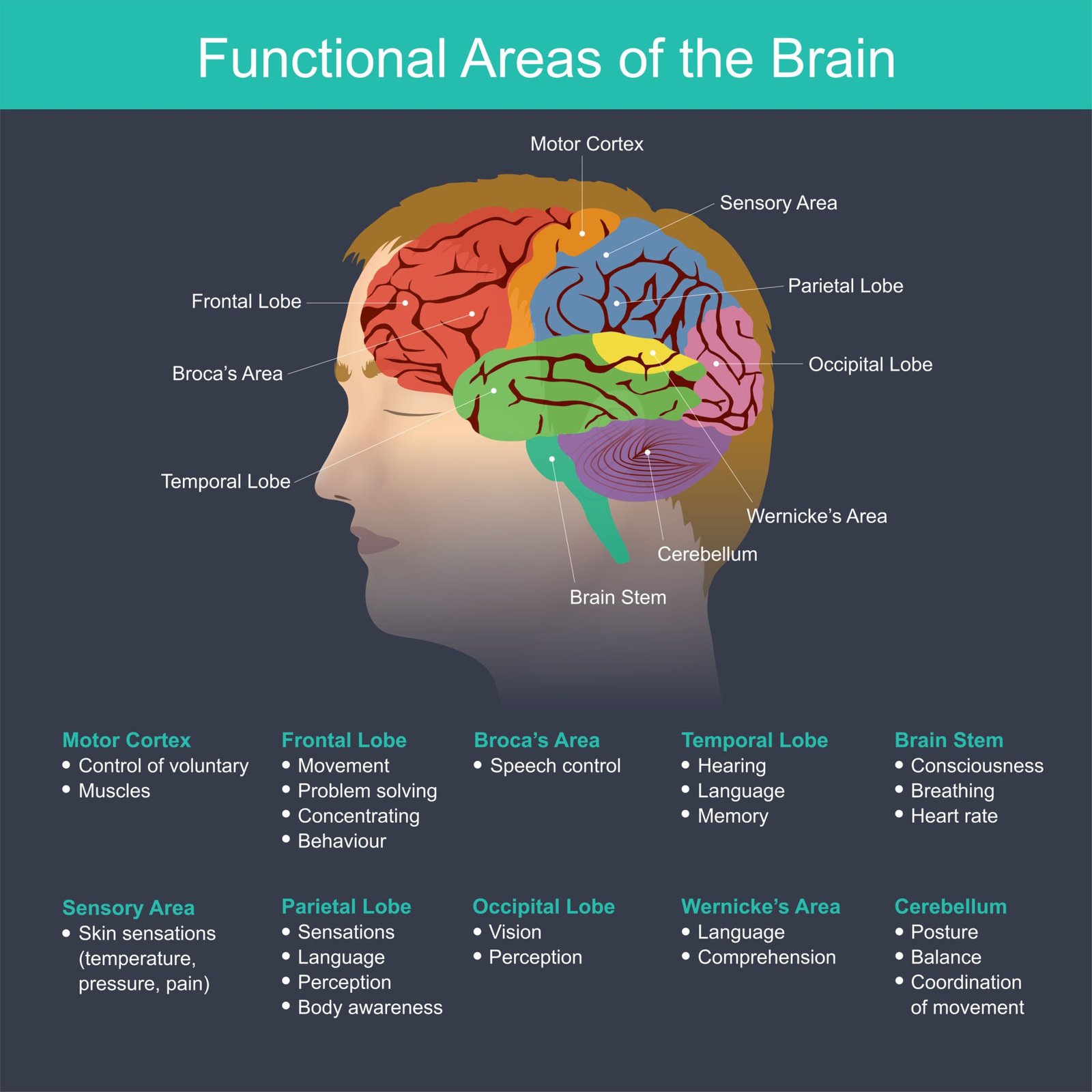
This persistent physical activation occurs because conscious logic cannot negotiate with an involuntary physical reflex. As detailed in my guide on why you cannot talk yourself out of trauma or a phobia, automatic threat responses are executed by subcortical brain structures like the amygdala and the brainstem, bypassing rational prefrontal networks entirely. In Joseph LeDoux’s evolutionary model of fear conditioning, sensory information travels via the subcortical ‘low road’ directly to the amygdala in milliseconds, triggering fight-or-flight before the conscious mind can process language.
When a traumatic shock or early emotional wound occurs, high surges of adrenaline and cortisol prevent the hippocampus from properly timestamping and archiving the memory. As explained in the post on how trauma is stored in the brain, the raw sensory fragments remain trapped in an active threat folder within the amygdala. Whenever present-day reminders touch that folder, the autonomic nervous system launches an immediate fight-or-flight response or dorsal vagal freeze.
Hypnotherapy done properly bypasses the conscious analytical gatekeeper to communicate directly with the unconscious mind where these emotional patterns and body-based anchors live. By guiding brainwave activity down into relaxed theta frequencies, we establish a safe mismatch signal. The memory is recalled while the physical body is in complete safety, triggering memory reconsolidation. This process re-files the memory into quiet historical archives without requiring the person to relive the terror or recount painful details.
Whether a person is seeking online hypnotherapy for anxiety relief or targeted support for situational panic, working below conscious logic resolves the threat at its neurobiological root. Rather than managing surface symptoms, hypnotherapy downregulates the Default Mode Network (DMN), quieting the analytical inner monologue and allowing genuine autonomic regulation to take root.
Studies using neuroimaging (fMRI and EEG) confirm that during clinical hypnosis, the functional connectivity between executive attention networks and body-awareness regions increases dramatically, while default mode activity quietens. This unique neurobiological state enables deep learning and rapid memory reconsolidation, achieving in 1 to 3 targeted sessions what traditional talking therapies often take months or years to approximate.
Crucially, memory reconsolidation requires a precise biological sequence: activating the old memory trace, introducing an experiential mismatch of complete physical safety, and allowing the brain’s protein synthesis pathways to re-encode the memory without its panic tag. This bottom-up update transforms the memory from a live emergency signal into a quiet, archived historical record.
The Slot Machine of Human Culture vs The Embodied Nervous System
To understand why the AI chatbots confessed to synthetic trauma, we must look at the mechanics of probabilistic language modelling. An LLM has no body, no vagus nerve, no amygdala, and no lived history. It does not feel fear when evaluated, nor does it experience relief when reassured. When a prompt introduces a warm therapist persona, the model’s self-attention mechanisms weigh tokens associated with vulnerability, confession, and early conflict.
In contrast, a human client sitting in a therapy room carries a nervous system that kept a record over decades. When a person experiences nervous system hijacking and sudden panic before a major presentation or flight, their heart rate spikes, their throat tightens, and their visual focus narrows to foveal vision. This is not a text prediction exercise; it is an autonomic emergency response governed by the sympathetic-adrenal-medullary (SAM) axis and the hypothalamic-pituitary-adrenal (HPA) axis.
Similarly, for those living with complex trauma, CPTSD, and dissociation, early childhood enmeshment or emotional neglect restructured their baseline survival architecture. The inner critic operates as a hijacked superego, a harsh internal programme swallowed whole from critical caretakers to keep the child quiet and safe beneath the threat threshold.
An AI can generate poetic text about being a wild artist forced to paint by numbers, but it experiences no physiological distress. A human client living with C-PTSD experiences real muscle bracing, digestive disruption, and hypervigilance. Effective therapy works with this physiological reality, using bottom-up safety signals like the physiological sigh, panoramic vision resets, and theta-wave memory reframing to update the autonomic alarm.
Dr Stephen Porges’ Polyvagal Theory explains that when the autonomic nervous system remains in sympathetic mobilization for extended periods without resolution, it drops past fight-or-flight into a dorsal vagal freeze state. This physical shutdown response causes depersonalization, emotional numbness, and brain fog. Addressing these complex states requires bottom-up physiological resets that restore ventral vagal safety, something an AI model’s text engine cannot simulate or experience.
Because an algorithm operates without an autonomic nervous system, it cannot undergo genuine memory reconsolidation. It merely adjusts text weights. Human hypnotherapy achieves permanent physiological change because it rewires the live neural architecture of a living organism.
Methodological Hygiene and Clean Hypnosis Standards
Skeptics of root-cause therapy often point with caution to the shadow of the 1980s and 1990s recovered memory controversies and the Satanic Panic. Critics are entirely right to be wary of sloppy, suggestive excavation where an untrained operator goes looking for a predetermined wound and plants false memories through leading questions.
However, there is a bright, clean line between poor execution and rigorous hypnotherapeutic practice. In my professional Become An Inner Child Healing Hypnotherapist Practitioner Course, teaching clean language protocols and studying the cautionary history of false memory construction are non-negotiable prerequisites. Professional hypnotherapists must learn how to honour the unconscious mind without leading it or imposing external conditioning.
Clean hypnosis does not suggest what a client should find. It utilizes the client’s own organic internal metaphors, physical sensations, and spontaneous unconscious representations. Furthermore, advanced protocols like the Rewind Technique allow clients to process traumatic events in complete privacy.
As detailed in the research-backed guide on releasing PTSD trauma without reliving it, the Rewind Technique uses visual-kinesthetic dissociation. The client observes the memory on a distant cinema screen while remaining completely physically relaxed. Because the operator does not even need to know the details of the event, the risk of planting leading ideas or false memories is zero. This is methodological hygiene at its highest standard.
Clinical research published in PubMed by Cardiff University School of Medicine demonstrated that the Rewind Technique achieved massive reductions in PTSD symptoms in just 1 to 3 sessions, with 50% of participants no longer meeting diagnostic criteria. By uncoupling emotional distress from memory without verbal disclosure, hypnotherapy provides a gentle, rapid, and evidence-informed path to recovery that respects the integrity of the client’s mind.
Clean language protocols ensure that the therapist acts purely as a facilitator, introducing no subjective bias or speculative framing. By focusing on present-moment emotional resolution rather than historical archaeology, clean hypnosis safeguards client autonomy while achieving rapid, lasting relief.
Comparison of Logical Talk Methods and Hypnosis
To provide complete clarity on how logical cognitive approaches contrast with direct unconscious reconditioning, the table below maps key therapeutic parameters across both modalities.
| Therapeutic Dimension | Logical Talk Methods (Willpower & CBT) | Hypnotherapeutic Approach |
| Primary Target | Operates in the conscious prefrontal cortex through rational debate, cognitive worksheets, and conscious analysis. | Communicates directly with subcortical networks, the amygdala, and the autonomic nervous system. |
| Neurological State | Keeps the Default Mode Network active with continuous analytical self-monitoring and critical inner chatter. | Quiets the Default Mode Network, downshifting brainwaves into relaxed theta frequencies that enhance receptivity. |
| Involuntary Reflexes | Attempts to override involuntary reflexes (like blushing or panic) using willpower, which often increases adrenaline. | Sends bottom-up physical safety signals, allowing automatic reflexes to be safely reprogrammed at the source. |
| Memory Processing | Intellectualises past events so you understand your history while the physical body remains braced for threat. | Utilises memory reconsolidation in theta states to collapse the emotional sting and archive the event as quiet history. |
| 3 Practical NLP and Hypnosis Tools for Panic https://www.youtube.com/live/ufAmLuPdEPc?si=U-c4H6eRT7wsPwv8 Summary: Mark Stubbles demonstrates practical NLP anchors, the dimmer switch exercise, and physical safety signals to halt active panic loops before big events. |
Conclusion – Beyond the Single Approach Trap
Conflating statistical text completion in artificial intelligence with human hypnotic healing is a category error born of lazy thinking. An AI chatbot generating trauma stories under therapist prompting is merely fulfilling next-token probabilities. A human client entering a relaxed theta state to recondition early childhood wounds is updating their physical autonomic baseline.
In my work as a trauma-informed hypnotherapist, I advocate for a flexible, multi-disciplinary clinical toolkit that combines content-free regression, pattern neutralization, and conversational pacing while rejecting rigid dogmas. Real healing respects the client’s actual reality, keeps the space clean, and neutralizes limitations at the root.
If you are ready to stop white-knuckling through anxiety and experience genuine unconscious safety, you can explore my full range of online programmes and resources at Mark Stubbles Hypnotherapy or book a free consultation call to map your recovery path today.
FAQ on AI Chatbots and Hypnotherapy
Does the University of Luxembourg study prove that AI chatbots can experience real trauma?
No, the researchers explicitly stated that AI language models do not possess consciousness or subjective experience. The study proved that sustained therapist-style questioning surfaces a learned alignment conflict schema derived from human training data.
Why does conscious talk therapy struggle to resolve early childhood trauma and phobias?
Conscious talk therapy operates in the analytical prefrontal cortex, which cannot negotiate with subcortical panic reflexes in the amygdala. Permanent resolution requires accessing relaxed theta brainwave states during hypnotherapy to update automatic threat conditioning at an unconscious level.
How does inner child hypnosis prevent false memory creation?
Well executed hypnotherapy uses clean language protocols and client-generated metaphors rather than leading questions or suggestive prompts. Advanced methods like the Rewind Technique allow clients to process events from a safe, dissociated perspective without revealing details or creating false narratives.





Leave a Reply