
A Bottom-Up Guide to Releasing the Automatic Loop of Nighttime Tension
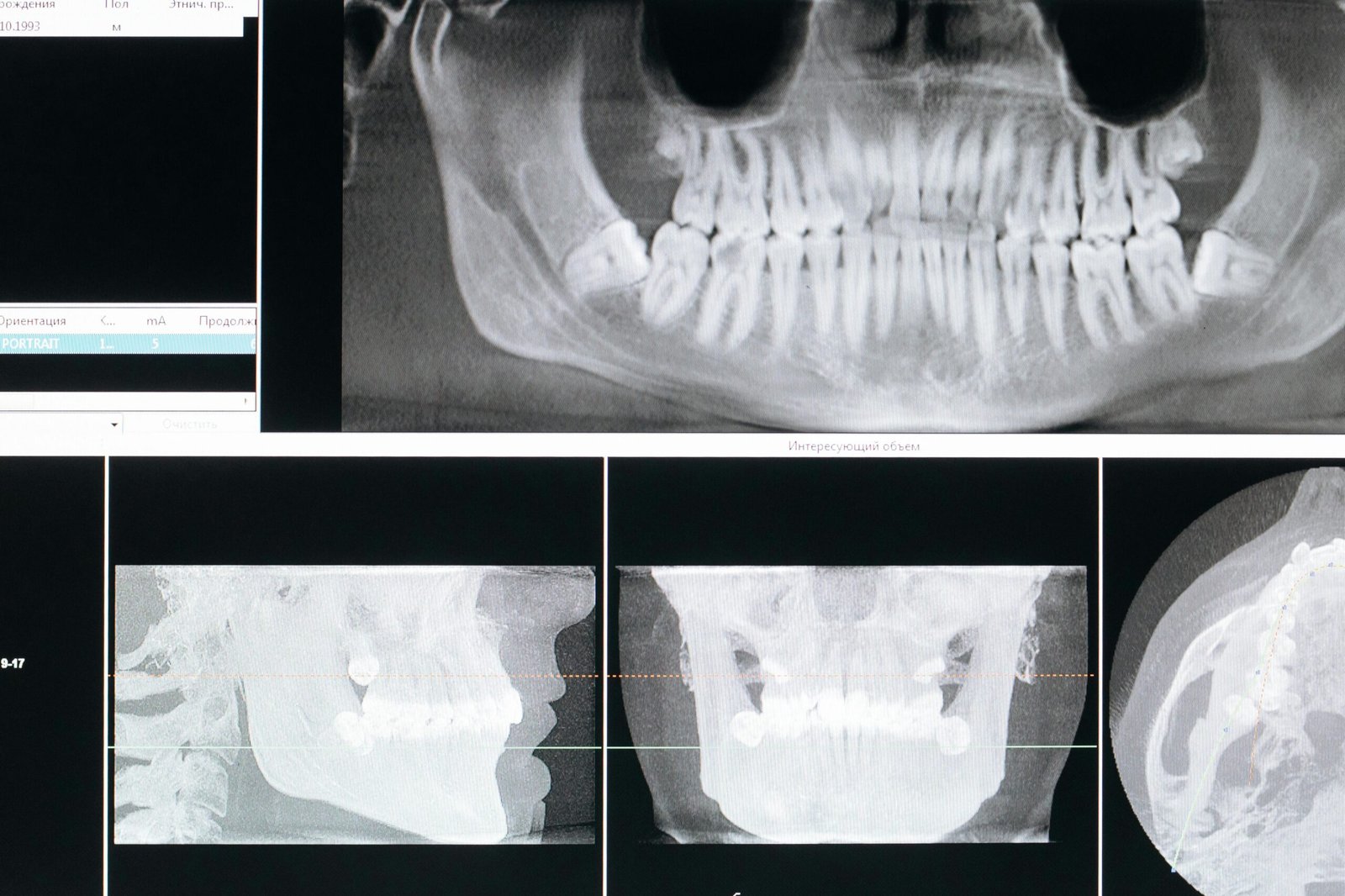
Teeth Grinding is a Nervous System Issue
If you wake up with a sore jaw, tension headaches, or teeth that feel worn and sensitive, you have probably already been told you grind your teeth when sleeping. Your dentist may have fitted you with a mouthguard, or at least recommended one. While a mouthguard protects your enamel, it will not stop the grinding. It manages the damage; it does not address what is driving the behavior.
Bruxism is not primarily a dental problem. It is a nervous system problem that shows up in your teeth. Sleep bruxism, the involuntary grinding that happens during the night, is the most common form, affecting around twenty-one percent of the population. Daytime jaw clenching runs slightly higher at approximately twenty-three percent. The condition is particularly prevalent in young adults and shows a consistent correlation with elevated stress and anxiety across age groups.
The Jaw as a Biological Stone Mill (Thegosis)

To understand why your body holds onto tension after dark, we must deconstruct the physical mechanics of bruxism, commonly known as teeth grinding or jaw clenching. The human jaw is one of the most powerful structures in your entire skeletal system. The masseter muscle, which runs from your cheekbone to the corner of your lower jaw, is capable of generating enormous physical force, sometimes up to eighty kilograms of sustained pressure. Under normal conditions, we use this force to chew food. Under survival stress, your unconscious mind hijacks this power for a different evolutionary purpose.
In mammalian biology, this involuntary clenching and grinding is an ancient survival reflex known as thegosis, from the Greek word meaning to sharpen or whet. In the wild, mammals grind their teeth to keep them razor-sharp, turning them into efficient survival tools and weapons. At the same time, clenching rapidly builds and tones the masseter muscles, preparing the body to deliver a strong, protective bite in expectation of conflict.
This is the central limitation of dental mouthguards. They act as a physical barrier that interrupts the dental damage, but they leave the underlying nervous system state completely untouched. The moment you take the guard out, the same physiological conditions that produce the clenching are still present, because the automatic loop remains active in your nervous system.
| Comparison Metric | Traditional Symptom Management (Dental Guards & Willpower) | Our Unconscious Approach (Therapeutic Hypnotherapy) |
|---|---|---|
| Primary Target | Places physical barriers over teeth to prevent dental wear while the underlying muscular clenching continues uninterrupted. | Targets the central nervous system arousal and unconscious threat responses that trigger masseter muscle contraction. |
| Neurological State | Leaves hypervigilance and default mode network activity active during sleep, maintaining high micro-arousal rates. | Quiets central nervous system alarm, transitioning brainwave frequencies into deep, restorative theta and delta sleep states. |
| Involuntary Reflexes | Attempts to manage jaw soreness during waking hours with conscious relaxation, which fails to reach sleep-state reflexes. | Safely reprograms automatic masseter reflexes by establishing physical safety anchors that hold throughout the night. |
| Long-Term Outcome | Requires lifelong reliance on plastic splints without addressing the emotional or stress-based root causes. | Permanently disarms nocturnal jaw clenching by updating how your nervous system responds to daily pressure. |
Trauma and Hyperarousal
For people whose teeth grinding is severe, longstanding, or resistant to standard interventions, there is frequently a deeper layer of hyperarousal or trauma worth understanding. The connection between unresolved stress and bruxism is clinically significant. In neuropsychiatry, a landmark review published in CNS Spectrums by Dr. H. Stefan Bracha at the National Center for PTSD argues that jaw clenching and teeth grinding are not random dental habits, but useful objective physical signs of persistent fear-circuitry activation and emotional distress [6]. The physical act of clenching is often the deep muscular residue of unvoiced boundaries and suppressed frustration. If you grew up in an environment where it was unsafe to express your needs, where you had to “bite your tongue” or swallow your anger to keep the peace, your jaw became the physical vault for that unexpressed survival energy. This protective bracing pattern gets locked into your physical memory. Decades later, your masseter muscles are still physically holding back those unvoiced boundaries, turning the dark of your bedroom into a silent, overnight battlefield.
This physical connection between early relational wounds and adult teeth grinding is backed by extensive clinical research. A massive 2022 study of over seven thousand adolescents, published in Frontiers, confirmed a direct, statistically significant relationship between adverse childhood experiences (childhood trauma) and the onset of bruxism. The researchers proved that childhood trauma alters the developing threat response, which then mediates adult grinding through permanently elevated levels of perceived stress. Similarly, a clinical study by researchers published in 2020 found that individuals with bruxism show significantly higher levels of childhood trauma, concluding that adult teeth-grinding is a physical expression of emotional pain and somatization. When you are shamed out of your protective anger as a child, your body prevents the vocal expression of that frustration. The blocked motor commands redirect inward, forcing your powerful masseter muscles to absorb the physical tension and lock the defensive brace in place.
If your nervous system has been trained to treat rest as unsafe, you can learn to rewrite these automatic survival plans step-by-step in my book, Unlearn Your Fear.
During sleep, healthy recovery requires the nervous system to genuinely release its vigilance, to move from the defended state into deep rest. For people carrying complex trauma, that release is often incomplete. Your nervous system remains partially activated even during sleep, keeping your body slightly braced and failing to transition fully into deep, restorative slow-wave states, resulting in severe morning fatigue.
To see how this chronic hyperarousal actively hijacks your sleep architecture, causes morning fatigue, and burns through your vital resources, explore my companion guide on how hypnotherapy breaks the cycle of anxiety, trauma, and depression.
Bypassing the Physical Reflex
One of the most exhausting aspects of chronic anxiety is the realization that you cannot think your way out of a physical state. You know, on a logical level, that your bedroom is safe and that the tasks of the coming day are not matters of survival. Yet, the moment your head hits the pillow, your jaw begins to clench, your muscles tighten, and your mind spirals. This discrepancy exists because understanding a problem and resolving it are two completely different neurological events.
You cannot logically debate with a subcortical motor spasm at three o’clock in the morning. The motor pathways that control jaw clenching are hardwired into the subcortical motor networks and the trigeminal motor nucleus, which bypasses your prefrontal cortex entirely. This is why having a cognitive understanding of your stress does nothing to release your jaw in the dark. Attempting to stop teeth grinding through conscious sheer willpower is like yelling at your heart to slow its beat, or logically reasoning with your knee-jerk reflex. It is the wrong tool for the job.
To interrupt this autonomic reflex, we must communicate directly with the motor and sensory systems using physical safety signals and body-based downregulation, rather than analytical cognitive strategies. By bringing present-tense, physical safety to our nervous system, we stop feeding the fear circuit and give our muscles permission to stand down.
Accessing the Central Alarm System
Hypnotherapy addresses this problem at the neurological source. During ordinary waking hours, your brain is engaged in critical analysis, keeping your threat-monitoring networks active and maintaining a high baseline of muscle tension. In the deeply relaxed hypnotic state, we downregulate this background vigilance, opening a unique window to communicate with the subcortical motor systems.
Instead of arguing with your thoughts, hypnotherapy uses sensory imagery, muscle-melting visualization, and body-based safety signals to deactivate the automatic bracing reflex. We show the subconscious motor networks that the threat has passed, allowing your temporalis and masseter muscles to physically let go. This direct, bottom-up communication is what collapses the automatic survival response, allowing your mind and body to genuinely rest.
You can read a detailed breakdown of how hypnosis downshifts your brainwave activity to bypass analytical barriers and update outdated maps on my inner child healing hypnosis page.
Clinical Studies & Research
To prove that the hypnotic state is a genuine, measurable biological intervention rather than alternative mysticism, let us look at the objective science. Clinical research published in the American Journal of Clinical Hypnosis investigated the use of hypnotherapy for patients suffering from severe, chronic bruxism. Researchers placed electromyograph, or EMG, sensors on the masseter muscles of sufferers to measure the physical intensity of clenching and grinding during sleep. The results were outstanding.
The subjects who underwent clinical hypnosis showed a significant, objective reduction in masseter muscle activity and associated facial pain. Crucially, during follow-up assessments conducted at intervals ranging from four to thirty-six months, these positive changes held firmly. Because the hypnotherapeutic intervention addressed the central nervous system directly rather than relying on external barriers like mouthguards, the changes did not require ongoing willpower, conscious effort, or constant pre-bed focus to maintain. The automatic loop had been reset at its neurobiological root.
The power of hypnosis to downregulate muscle tension is backed by objective neuroimaging. A landmark study conducted by Dr. David Spiegel at Stanford University School of Medicine scanned brain activity during hypnosis and demonstrated a dramatic drop in activity within the dorsal anterior cingulate cortex (dACC). The dACC functions as the brain’s physical alarm system and threat-monitoring hub. By quieting this central alarm, hypnosis directly decreases the motor signals sent down to your jaw muscles. This central downregulation explains why the EMG masseter research saw such a significant, long-term release of physical clenching and facial pain.
To permanently settle the background tension that triggers nighttime jaw clenching, explore how we reset these automatic physical habits through hypnotherapy for anxiety.
Practical Pre-Sleep Resets for Jaw Release
To transition safely from daily vigilance into genuine rest, you must use body-based safety signals before bed to turn off the alarm. By consistently sending these physical signals before sleep, you train your nervous system to release the automatic clenching loop. These three practical techniques can be implemented tonight:
1. Body-Based Jaw Release (The De-Clenching Breath): Close your eyes and breathe slowly all the way down into your stomach. As you breathe, allow your teeth to separate slightly, letting your tongue rest flat on the floor of your mouth, and feel your lower jaw hang completely loose. As you exhale, let out a low, audibly soft hum or sigh. The physical vibration of the vocal cords directly stimulates the auricular and pharyngeal branches of the vagus nerve, which run right past the jaw joint, triggering immediate localized relaxation in your masseter and temporalis muscles.
2. Intraoral Masseter Release: Locate your masseter muscles on the side of your jaw just below your cheekbone. Place your thumb inside your cheek and your index finger on the outside of your jaw, pinching the tight muscle band between them gently. Take three slow abdominal breaths, imagining the muscle belly melting like butter on a warm pan. Applying this light manual feedback directly informs your nervous system that there is no present threat, interrupting the physical clenching reflex before you fall asleep.
3. Suboccipital Release (Quieting the Cranial Carriage): The muscles at the base of your skull (suboccipitals) and your jaw muscles are neurologically linked. Interlock your fingers behind your head, cradling the base of your skull, and let the full weight of your head rest heavily back into your palms while keeping your mouth slightly open. Take a few slow, deep breaths, letting your neck and jaw release their protective bracing simultaneously. This breaks the head-neck-jaw tension chain, signaling physical safety directly to your nervous system.
If your dentist has recommended a mouthguard, continue using it throughout your course of hypnotherapy. The two approaches are entirely compatible and serve different functions: the mouthguard protects your teeth while the underlying cause is being addressed in your nervous system.
Frequently Asked Questions About Bruxism and Nervous System Tension
Why does a dental mouthguard fail to resolve teeth grinding?
A dental mouthguard is a peripheral barrier. It sits between your teeth to protect your enamel from wear, but it does absolutely nothing to address the central nervous system state driving the clenching. Because the autonomic threat response remains active, your masseter muscles continue to clench and grind with immense physical force all night. Resolving the grinding requires addressing the subconscious motor patterns that keep your system on high alert.
What is the mechanical cause of nighttime teeth grinding (bruxism)?
Bruxism is an autonomic protection mechanism, not a dental defect. During the day, you use conscious willpower to keep your stress under wraps, maintaining a polite facade. However, the jaw muscles are among the most tension-prone structures in your body, capable of generating up to eighty kilograms of pressure. In mammalian biology, clenching and grinding (thegosis) is an ancient reflex to sharpen teeth and strengthen masseter muscles for conflict. Under stress, your amygdala runs this same program. The moment conscious control goes offline at night, your system releases this stored survival energy through the jaw, running a heavy industrial millstone with nothing to grind.
Why can’t I logically talk myself out of grinding my teeth at night?
The motor pathways that control jaw clenching are hardwired into the subcortical motor networks and the trigeminal motor nucleus, which bypasses your rational prefrontal cortex entirely. This is why having a logical understanding of your stress does nothing to release your jaw in the dark. Attempting to stop teeth grinding through conscious willpower is like trying to logically debate with a knee-jerk reflex. To stop the clenching, you must communicate with the nervous system using body-based safety signals rather than analytical reason.
How does hypnotherapy help resolve teeth grinding?
Hypnotherapy works by bypassing the analytical waking mind to communicate directly with the subcortical motor systems. While normal talk therapy works on the logical prefrontal cortex, hypnosis accesses the deeper, non-conscious spaces where early survival scripts and automatic bracing loops are stored. This allows us to downregulate the brain’s alarm system, update the protective maps, and physically release the masseter and temporalis tension at its neurobiological root, without requiring ongoing willpower to maintain.
| You do not have to spend your nights locked in a physical battle.When your threat detection system is on high alert, even reaching out feels like a survival risk. This free 15-minute consultation is a zero-pressure, confidential space where you do not have to recount or relive any painful details of your history. We will simply map your current physical jaw triggers, look at your sleep patterns, and see if an unconscious-level update is the right path to release your nighttime clenching.• No verbal disclosure of past history required.• Conducted safely online from the comfort of your own home.Click here to choose a quiet time on my calendar. |





Leave a Reply