
A comprehensive guide to understanding why vaping is harder to quit than smoking, backed by clinical trial evidence, breaking the automatic hand-to-mouth reflex, and reconditioning your unconscious mind.
The Modern Vaping Epidemic and the Stealth Habit
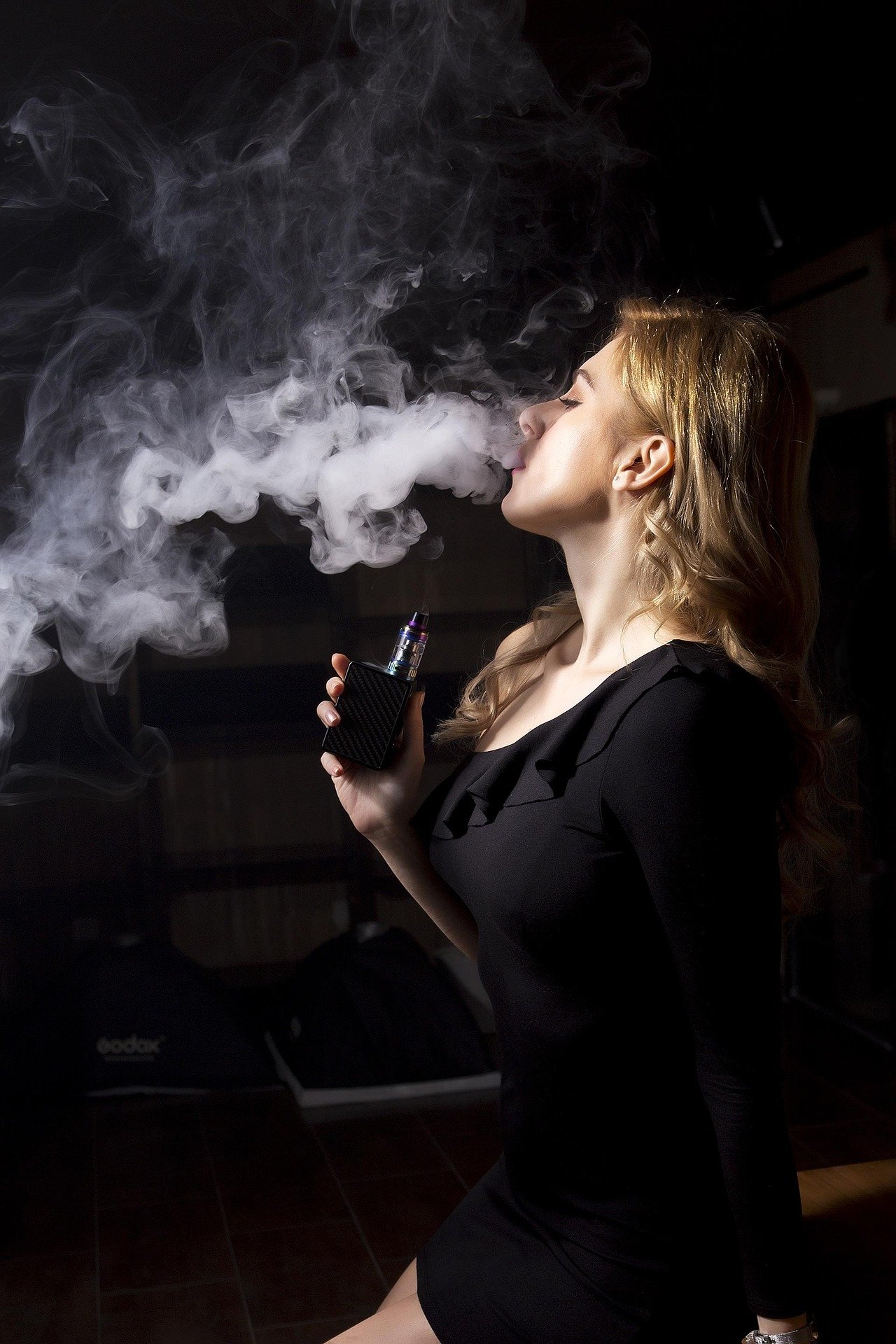
Imagine walking through your day accompanied by a small, sleek device that never leaves your hand or pocket. You puff on it while waking up in bed, sitting at your desk, driving in your car, watching television, and socialising with friends. Because the vapour is virtually odourless and dissipates in seconds, there is no need to step outside into the cold, look for an ashtray, or worry about smelling like stale smoke. Vaping has quietly integrated itself into every single hour of your life.
When people first switched from cigarettes to e-cigarettes or took up vaping as a social habit, most believed it would be a harmless alternative or a quick stepping stone to quitting nicotine entirely. Years later, millions of people find themselves trapped in a far more intense, relentless dependency than traditional smoking ever was. They discover that while they could easily go hours between cigarettes, they cannot go ten minutes without reaching for their vape.
If you find yourself struggling to quit vaping, it is crucial to understand that you are not weak, undisciplined, or lacking in self-control. Vaping was specifically engineered by modern technology to exploit human neurobiology in ways traditional tobacco never could. The combination of high-strength nicotine salts, appealing flavours, and continuous hand-to-mouth repetition creates an all-day micro-dosing habit pattern that becomes deeply embedded in your unconscious mind.
To break free from this relentless trap, you do not need more white-knuckle self-control or painful deprivation. You need to address the habit where it actually lives: inside your autonomic nervous system and unconscious threat-reward architecture. Working with a qualified hypnotherapist for addiction allows you to recondition these automatic reflexes, detaching stress relief from nicotine and restoring your natural freedom.
Why It Is Harder to Quit Than Smoking
Many former cigarette smokers who transitioned to vaping report a disturbing paradox: quitting cigarettes felt manageable, but quitting vaping feels nearly impossible. To understand why vaping creates such a powerful grip, we must examine the three unique physical and psychological mechanisms that separate vaping from traditional smoking.
High-Concentration Nicotine Salts and Constant Micro-Dosing
Traditional cigarettes use freebase nicotine, which creates a harsh sensation in the back of the throat when inhaled in high doses. This natural throat hit provided an inherent biological limit on how much nicotine a person could comfortably consume in a single sitting. Furthermore, a cigarette burns down and ends after roughly ten puffs, creating a clear physical boundary and a natural stopping point.
Modern e-cigarettes and disposable vapes utilise protonated nicotine salts formulated with benzoic acid. This chemical innovation lowers the pH level of nicotine, making high concentrations extraordinarily smooth to inhale. A single disposable vape pod can contain as much nicotine as two to three full packs of traditional cigarettes, delivered without any harsh throat irritation. Because a vape pod never burns out or turns itself off, users engage in constant, low-grade micro-dosing from morning until night.
This continuous stream of nicotine keeps your brain dopamine receptors perpetually saturated. Instead of experiencing distinct peaks and valleys in nicotine levels, your brain becomes accustomed to a constant background elevation of dopamine. The moment nicotine levels drop even slightly, an immediate sense of internal restlessness and anxiety triggers the automatic urge to puff again.
Sensory Flavour Triggers and Chemical Masking
Traditional cigarettes taste bitter, smell unpleasant, and leave a lingering residue on your clothes, hair, and breath. These negative sensory feedback cues provided your brain with constant evidence that smoking was dirty and harmful. Many smokers naturally felt a sense of disgust after finishing a cigarette, which helped reinforce the desire to quit.
Vaping completely eliminates this negative sensory feedback. E-liquids are infused with sweet, dessert, fruit, or icy menthol flavours that trick the brain reward centres into associating the vapour with pleasant, harmless indulgence. The sensory experience feels clean, sweet, and comforting. Because your brain receives a delicious flavour alongside an immediate hit of nicotine, the psychological reward pathway is reinforced twice as fast.
The Continuous Hand-to-Mouth Motor Reflex
Beyond the chemical addiction to nicotine, vaping establishes a profound physical motor habit. The average vaper takes between 200 and 600 puffs per day. That translates to hundreds of thousands of hand-to-mouth movements every single year. This mechanical repetition creates a powerful muscle memory reflex that operates entirely on autopilot.
Because vaping can be done indoors, at a computer, or even in bed, it becomes paired with every daily transition and state change:
- Morning Awakening: Waking up in the morning and searching for immediate alertness.
- Work Transitions: Pausing between tasks at work to clear your mind or refocus.
- Driving and Commuting: Driving in traffic to relieve boredom or frustration.
- Evening Relaxation: Decompressing on the sofa after a long, demanding day.
- Social Interaction: Handling social anxiety or awkwardness at gatherings.
When a habit becomes linked to every transition in your waking life, attempting to quit through conscious effort means fighting hundreds of individual daily cues. Every time you finish a telephone call, sit in your car, or open your laptop, your unconscious mind fires the automatic motor instruction: reach for the vape.
Conscious Willpower versus Unconscious Conditioning
If you have tried to quit vaping using sheer willpower, you are likely familiar with the exhausting internal battle. You throw your vape in the bin on Sunday night, feeling resolute and motivated. By Tuesday afternoon, after hours of fighting intense cravings, irritability, and brain fog, you find yourself digging the device out of the bin or buying a new disposable vape at the local shop.
After failing multiple times, you might conclude that you lack discipline or that nicotine has broken your brain. In reality, willpower fails because it is the wrong tool for the job. Willpower is a function of the conscious prefrontal cortex, which accounts for only about 5 percent of your total brain processing power. The automated motor reflexes, emotional associations, and nicotine craving patterns operate inside your subcortical brain and autonomic nervous system, governing the remaining 95 percent.
Trying to stop an automatic vaping habit using conscious logic is like trying to turn off a physical house alarm by arguing with it. Your conscious mind knows all the logical reasons to quit:
- Financial Cost: Vaping is expensive, costing thousands of pounds every year.
- Health Risks: It causes shortness of breath, lung irritation, and unknown long-term health risks.
- Loss of Control: It creates embarrassing dependency, leaving you searching frantically for your device.
- Self-Respect: It harms your self-esteem, making you feel controlled by a plastic rod.
However, your unconscious mind operates on a much simpler, primal priority: survival and immediate relief. Over months and years of continuous use, your nervous system has learned an implicit rule: vaping equals immediate stress relief and emotional balance.
Whenever you experience stress, anxiety, boredom, or fatigue, your autonomic nervous system registers a mild state of physiological alarm. It does not consult your conscious logic for advice. Instead, it immediately triggers the fastest known method to restore chemical equilibrium: the automatic impulse to vape.
When you try to quit using willpower alone, you create an intense internal conflict. Your conscious mind says “Do not vape,” while your unconscious mind believes “Vaping is necessary for comfort.” Because your unconscious mind controls your automatic muscle responses, attention, and physiological state, it will almost always win when you are tired, stressed, or distracted. To achieve permanent freedom, you must align your unconscious conditioning with your conscious goals.
What Clinical Trials Reveal About Hypnotherapy for Nicotine
While many people view hypnotherapy as a complementary or alternative approach, robust clinical research confirms that hypnotic conditioning is one of the most effective, science-backed methods for overcoming nicotine dependency. Recent randomized controlled trials (RCTs) and systematic reviews demonstrate that hypnotherapy directly targets the subcortical mechanisms that willpower and patches ignore.
Twice as Effective as Nicotine Patches and Gum (Salem Hospital / Mass General RCT)
A landmark randomized controlled trial conducted at Salem Hospital and Massachusetts General Hospital (published in Complementary Therapies in Medicine) evaluated the long-term effectiveness of hypnotherapy compared to conventional Nicotine Replacement Therapy (NRT) such as patches and nicotine gum. The study tracked patients over 26 weeks with objective biochemical validation.
The results were definitive: participants who underwent hypnotherapy achieved a 36.6% continuous abstinence rate at 26 weeks, compared to just 18.0% for those using Nicotine Replacement Therapy. Hypnotherapy proved to be twice as effective as patches or gum. This disparity exists because nicotine patches simply replace the chemical substance while leaving the unconscious motor habit, emotional stress cues, and hand-to-mouth reflexes completely untouched. Hypnotherapy resolves both the chemical drive and the unconscious habit simultaneously.
Parity with Gold-Standard CBT (Frontiers in Psychology 2024 RCT)
A large-scale 2024 randomized controlled trial published in Frontiers in Psychology (Batra et al., 2024, involving 360 participants across multi-centre university hospitals) evaluated a standardized 6-week hypnotherapy program against Cognitive Behavioural Therapy (CBT), the clinical gold standard for addiction treatment. The trial monitored continuous abstinence over 12 months using objective carbon monoxide breath verification.
The study confirmed that hypnotherapy achieved long-term continuous abstinence rates comparable to gold-standard CBT (15.0% continuous abstinence at 12 months for hypnotherapy versus 15.6% for CBT), proving that hypnotic conditioning is an equally powerful clinical intervention. Furthermore, when analyzing participants who completed their full course, success rates rose dramatically to over 37%, proving that dedicated hypnotic reconditioning provides a robust, non-pharmacological pathway to complete nicotine independence.
66.7% Success Rate Across 63 Systematic Review Studies
A comprehensive 2024 systematic review published on PubMed analyzed 63 distinct clinical trials investigating hypnotherapy for nicotine cessation. The review revealed that 66.7% (two-thirds) of all clinical trials reported a statistically significant positive outcome for hypnotherapy in stopping nicotine dependency, particularly when utilizing multi-session personalized protocols. The researchers noted that hypnosis succeeds where logical therapies struggle because it bypasses conscious resistance to recondition subcortical impulse centers directly.
How Hypnotherapy Rewires the Habit Pattern
Hypnotherapy provides a direct, elegant pathway to resolve internal conflict by communicating safety and new instructions directly to the unconscious mind. Rather than fighting cravings through painful resistance, hypnotherapy updates the underlying neural template so that the desire to vape dissolves naturally.
Entering the Theta State for Neural Plasticity
During a hypnotherapy session, you are guided into a deeply relaxed, focused state of awareness known as trance. In this state, your brainwave activity shifts from active beta waves down into calm alpha and theta frequencies (4 to 8 Hz). In theta, the analytical guardrails of the conscious mind soften, granting direct access to the unconscious networks where automatic habits, emotional associations, and survival reflexes are stored.
In this receptive state, we can introduce targeted suggestions and imagery that update your brain threat-reward architecture. Brain imaging studies demonstrate that hypnosis downregulates activity in the Default Mode Network and quiets the brain alarm bell, reducing internal conflict and making neural plasticity remarkably efficient. Understanding these focused attention state neurological mechanisms explains how deep trance work allows the brain to establish new behavioral pathways rapidly.
Detaching Stress Relief from Nicotine
The core therapeutic task in quitting vaping is detaching your nervous system stress relief mechanism from nicotine. In hypnosis, we help your unconscious mind realise a crucial truth that nicotine addiction conceals: vaping does not relieve real stress; it merely relieves the nicotine withdrawal caused by the previous puff.
We guide your nervous system to experience genuine, deep physiological calm without any chemical assistance. By pairing present-tense feelings of deep safety, full diaphragmatic breathing, and mental clarity with your daily triggers, we create a neural mismatch. Your unconscious mind updates its safety map, learning that stress relief, focus, and relaxation can be accessed naturally through your own breath and nervous system regulation.
Neutralising Automatic Cravings and the Hand-to-Mouth Reflex
Hypnotherapy systematically neutralises the automatic hand-to-mouth reflex and sensory flavour triggers through four targeted steps:
- 1. Sensory Neutralisation: We recondition your unconscious mind to view vapour as hot, artificial, chemical exhaust rather than a sweet reward, dissolving the sensory appeal at its root.
- 2. Motor Reflex Unlinking: The automatic motor impulse to reach for the device is unlinked from daily cues like driving, typing, or waking up.
- 3. Craving Transformation: Urges are transformed into neutral physical sensations that pass harmlessly in seconds without causing panic or struggle.
- 4. Identity Realignment: Your unconscious mind adopts a proud, solid identity as a non-vaper who enjoys clean lungs, deep energy, and complete independence.
When comparing altered states and neural rewiring methods, examining DMN ego dissolution compared highlights how quietening the brain internal chatter allows old addict identities to dissolve, making space for lasting freedom.
1-to-1 Online Sessions versus Guided Audio Downloads
When deciding to use hypnotherapy to quit vaping, people often wonder whether they should book tailored individual sessions or use pre-recorded self-hypnosis tracks. Both options offer distinct advantages depending on your personal history, level of dependency, and budget.
When to Choose 1-to-1 Online Hypnotherapy Sessions
Individual 1-to-1 hypnotherapy sessions conducted online via Zoom provide the highest level of customisation and clinical depth. A tailored session is particularly vital if your vaping habit is deeply intertwined with underlying emotional factors, such as high workplace stress, social anxiety, past trauma, or severe panic responses.
During a 1-to-1 session, the hypnotherapist explores your exact personal triggers, daily routines, and psychological associations. If you vape primarily to suppress anxiety, escape emotional overwhelm, or manage interpersonal tension, a personalised session allows the therapist to address those root emotional drivers directly. Furthermore, interactive 1-to-1 work incorporates real-time feedback, allowing the hypnotherapist to adjust the depth of trance and tailor suggestions precisely to your unique personality and values.
When to Choose Guided Audio Downloads
Pre-recorded self-hypnosis MP3 tracks offer a flexible, cost-effective option for people with straightforward habit structures who want daily reinforcement. Audio downloads are excellent for reinforcing core suggestions, establishing a relaxing bedtime routine, and keeping your mind focused on your non-vaping goals.
For many people, combining both approaches yields the best results: using a personalised 1-to-1 session to break the primary dependency and update old emotional maps, followed by listening to a self-hypnosis audio track for ongoing maintenance and reinforcement.
To explore a detailed clinical comparison of these two approaches across various anxiety and habit conditions, read my comprehensive guide on 1-to-1 hypnotherapy vs audio recordings. Additionally, for an in-depth look at addressing root emotional drivers, explore my article on hypnotherapy for addiction.
| Feature | 1-to-1 Online Hypnotherapy | Guided Audio Downloads (MP3) |
| Customisation Level | 100% personalised to your exact daily triggers, emotional history, and habits. | General structure designed for broad audience habit patterns. |
| Clinical Success Rate | Up to 36.6% 6-month continuous abstinence (Salem Hospital RCT); addresses root stress drivers. | Effective for supplementary habit reinforcement and bedtime relaxation. |
| Root Cause Resolution | Addresses underlying anxiety, trauma, and emotional stress triggers directly. | Focuses primarily on general habit cessation and relaxation suggestions. |
| Interactive Real-Time Adjustment | Therapist adjusts trance depth, language, and pace based on live biofeedback. | Static playback; cannot adapt to personal resistance or specific triggers. |
A 4-Step Practical Protocol to Neutralise Vaping Urges
While unconscious reconditioning through hypnotherapy updates your baseline habit map, implementing a structured real-time protocol during the initial transition helps you navigate sudden physical impulses smoothly:
- Step 1 – Acknowledge the Habit Trigger: The instant you feel an automatic impulse to reach for a vape, mentally pause and label the sensation without judgment: “My nervous system is experiencing a temporary nicotine craving reflex.”
- Step 2 – Engage Vagal Breathing: Perform two rapid inhalations through your nose followed by a long, extended sigh through your mouth. This double inhale sigh stimulates the cardiac vagus nerve, immediately lowering your heart rate and signaling safety to your brainstem.
- Step 3 – Soften Your Visual Field: Softening your gaze and noticing your far peripheral surroundings disengages the narrow laser focus of threat scanning, signaling to your brain that no physical danger is present.
- Step 4 – Externalise Motor Focus: Direct your attention immediately to an engaging external physical task that requires hand movement and mental focus, such as drinking a glass of cold water, stretching, or completing a quick work task.
In cases where unresolved nervous system pressure manifests in other automatic physical reflexes, such as night-time jaw clenching, exploring thegosis biological jaw tension reflex demonstrates how unconscious stress releases across physical motor pathways.
Frequently Asked Questions About Hypnotherapy for Vaping
What do clinical studies show about hypnotherapy for quitting vaping?
Randomized controlled trials at Salem Hospital and Massachusetts General Hospital show hypnotherapy achieves a 36.6% continuous abstinence rate at 6 months compared to 18.0% for nicotine replacement therapy. Additionally, a 2024 trial in Frontiers in Psychology confirmed hypnotherapy matches the long-term success of gold-standard CBT.
How many hypnotherapy sessions does it take to quit vaping?
For many people, a single intensive 1-to-1 hypnotherapy session is sufficient to break the automatic vaping habit and update the unconscious mind. In cases where vaping is deeply tied to chronic anxiety, trauma, or emotional stress, a short series of two to three sessions ensures complete root cause resolution.
Is hypnotherapy effective for high-nicotine disposable vapes?
Yes, hypnotherapy is highly effective for high-nicotine disposable vapes and nicotine salts. Because hypnosis addresses the underlying hand-to-mouth motor reflex, sensory flavour triggers, and unconscious stress associations, it neutralises the psychological drive to vape regardless of chemical nicotine strength.
Will I gain weight or experience severe cravings after quitting vaping?
Unlike willpower-based quitting, which often leads to replacing vaping with compulsive eating or sugar snacking, hypnotherapy addresses the root need for comfort and stress relief. By instilling healthy nervous system regulation mechanisms directly into the unconscious mind, you quit vaping without transferring the addiction to food.
Reclaiming Your Freedom From Vaping
Living with a vaping addiction can make you feel controlled by a small plastic device. It convinces you that you need nicotine to handle stress, stay focused, or enjoy social gatherings.
The truth is that your body and mind were designed to function with complete vitality, calm, and focus without any artificial chemical dependence. The uncomfortable restlessness you feel when you go without vaping is not a sign that you need nicotine; it is proof of an overstimulated nervous system longing for genuine rest.
By communicating safety directly to your unconscious mind, you can turn off the automatic craving reflex, break the hand-to-mouth habit, and enjoy complete, lasting freedom.
| Ready to Quit Vaping and Reclaim Your Health?If you are ready to break free from the constant cycle of vaping and restore your peace of mind, I invite you to take the next step. In a confidential 1-to-1 online session, we will map out your specific habit triggers and create a personalised hypnotherapy pathway to reset your nervous system.Book a free consultation call to begin your recovery journey today. |





Leave a Reply