

How to Identify Emotional Manipulation and Reclaim Your Power
If you are reading this, something has probably already shifted in your perspective. Maybe you cannot explain exactly what is wrong, only that conversations with a specific person leave you feeling more confused, exhausted, and self-doubting than when they started. Maybe you have begun to wonder whether your memory can be trusted, whether your reactions are too intense, or whether you are indeed the source of every conflict. That persistent mental fog, the sense of walking on eggshells without ever knowing where the next one is buried, is not a personality flaw. It is the predictable physiological outcome of sustained emotional manipulation on the human nervous system.
Emotional manipulation is rarely loud or obvious. It operates gradually, eroding your self-trust one interaction at a time, until the version of reality the manipulator has constructed starts to feel more solid than your own direct experience. By the time most people begin asking questions, they have already been second-guessing themselves for a very long time. This guide is designed to strip the fog away. We will map the specific tactics manipulators use, explain the neurochemical mechanisms that make those tactics so powerful, and provide a clear, trauma-informed framework for what genuine recovery looks like. These patterns have names, documented physiological mechanisms, and predictable effects on your autonomic safety baselines. Understanding them is your first step toward reclaiming the ground that has been taken from you.
The Hidden Architecture of Coercive Control
At its core, emotional manipulation occurs when someone consistently leverages your emotional responses (such as your empathy, compassion, guilt, or fear of abandonment) to influence your behaviour in ways that serve them, often at direct cost to your emotional wellbeing. The defining factor is consistency. Everyone has moments of defensive communication or relational messiness. However, manipulation is characterised by a systematic exploitation of your vulnerabilities, a calculated pressure applied to override your personal choices, and a dynamic where you are always the one paying the price. Because it works beneath the surface of normal interactions, it is easy to doubt your own perceptions before you doubt the person responsible.
Early Red Flags in a Toxic Relationship Pattern
Toxic relationship dynamics rarely begin at full intensity. The early warning signs are often subtle enough to be explained away, particularly when the relationship is otherwise emotionally rewarding. However, over time, these patterns constitute a recognizable architecture of control:
- Persistent guilt without clear cause. You frequently feel that you have done something wrong but cannot pinpoint what. Phrases like “after everything I have done for you” appear regularly, even when your behaviour has been entirely reasonable.
- Moving goalposts. No matter what you do, it is never quite enough. The standard shifts every time you meet it, keeping you in a permanent state of reaching for approval that is structurally designed never to arrive.
- Walking on eggshells hypervigilance. You monitor your words, tone, and timing with unusual care around this person, anticipating unpredictable reactions. This constant alertness is your autonomic nervous system responding to an environment it has learned is unsafe, keeping you trapped in a state of high alert.
- Triangulation. Third parties are brought into the dynamic to create insecurity or competition. You are compared unfavorably to others, or told that someone else would handle this better, undermining your social confidence.
- Constant criticism and invalidation dressed as humour. Frequent fault-finding with your appearance, decisions, or actions is often framed as concern. When hurtful comments are delivered with a laugh, they are followed by “you are too sensitive” if you respond. Your feelings are simultaneously provoked and dismissed.
- Accountability avoidance. They have only criticism for their former partners and no acknowledgment of their own role in past conflicts. If someone never has any part in their own historical difficulties, that absence of reflection is a significant warning sign.
- Oversharing very early. Intense personal disclosure in the very early stages of a relationship, often paired with dramatic stories of past victimhood, can be a setup for the dynamic that follows, creating rapid intimacy and positioning them as someone in need of your protection.
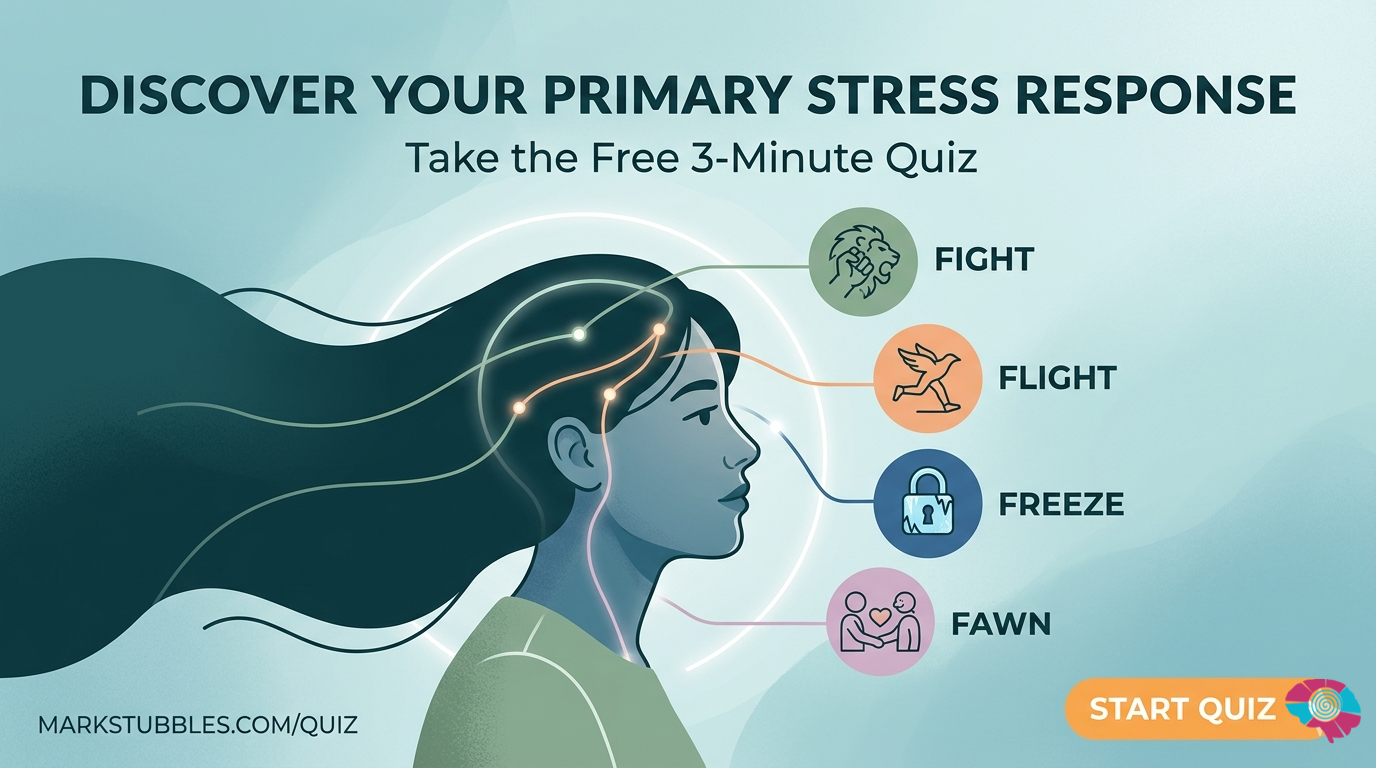
When you notice yourself feeling persistently confused, physically tense before interactions, or unable to trust your own emotional responses around a particular person, those signals are data. Your body is registering a pattern that your conscious mind has not yet been given permission to name. This is where we see the fawn response and the discomfort of being cared for playing out, where the nervous system learns to prioritise others’ needs and walk on eggshells to buy a temporary sense of connection. To explore these early attachment styles, you can read my guide on how to heal childhood wounds and codependency.
Gaslighting and Isolation as Twin Tactics
Of all the tactics in a manipulator’s repertoire, gaslighting and isolation are the most strategically interlocked. Neither is fully effective without the other, and understanding how they operate in combination is essential to seeing the full picture of coercive control. Gaslighting is a systematic assault on your perception of reality. It is not simply lying, though lying is part of it. A gaslighter denies events you know happened, insists that things occurred differently from how you remember them, minimizes your emotional responses as evidence of instability, and progressively frames your capacity for accurate perception as unreliable. The cumulative effect is that you stop trusting your own mind and begin outsourcing your version of reality to the person who has been dismantling it.
Isolation is the external component of this exact same process. While gaslighting attacks your internal reality, isolation targets the support systems that might otherwise validate your perceptions. The process is almost always gradual: subtle criticism of your friends and family begins first, conflicts are manufactured until choosing the relationship means choosing the manipulator over everyone else, and you are gradually repositioned so that the manipulator becomes your primary, and eventually your only, source of emotional validation. This creates a closed system. The manipulator creates the wounds, then presents themselves as the only person who truly understands you, preventing you from utilising external perspectives to break the fog.
See my YouTube video, Three Dangerous Dark Psychology Tricks Manipulators Use
The Neurochemistry of Traumatic Bonding
Understanding why these dynamics are so difficult to leave requires some basic knowledge of the neurobiology of the intermittent reward system. Relationships with manipulative individuals are rarely all bad, all the time. There are periods of warmth, affection, and apparent connection (idealisation), followed by withdrawal, criticism, or cruelty (devaluation), followed again by reconciliation (hoovering). This cycle is not accidental. The unpredictability itself becomes addictive at a neurochemical level.
Intermittent reinforcement produces stronger behavioural conditioning than consistent reward does. The brain’s dopamine system, designed to track patterns and anticipate reward, becomes hyperactivated in these conditions. When validation is unpredictable, each burst of warmth triggers a massive spike in dopamine, identical to the neurological pattern seen in gambling addiction. Your autonomic nervous system becomes chemically conditioned to seek safety and resolution from the very person causing you harm. This creates a powerful traumatic bond. You are not weak for finding it hard to leave; your system has been biochemically conditioned. This is why trying to break a traumatic bond using conscious willpower alone is so difficult. The body experiences leaving as a physical withdrawal process.
A Tactical Breakdown of the Manipulator Playbook
In my book Dark Psychology Defence Toolkit, I map out the specific tactics that make up the operational machinery of reality distortion. By understanding the distinct mechanics of each approach, they become much harder to deploy against you.
Mirroring and Love Bombing as Early Hooks
In the early phase of a manipulative relationship, the other person often appears to be almost uncannily well-matched to you. Mirroring is the deliberate adoption of your identity back to you, representing a calculated mimicry of your values, interests, and wounds designed to produce rapid intimacy before you have had any real opportunity to assess them clearly. This is closely paired with love bombing, an early-stage flood of affection, attention, and excessive declarations that create a sense of indebtedness and emotional dependency. Once your emotional investment is secured, the facade inevitably begins to slip, leaving you grieving someone who may never have actually existed, while desperately working to recover the high of the early phase.
Covert Contracts and Future Faking
Covert contracts are unspoken, unwritten rules the manipulator expects you to intuitively understand and follow without ever being told what they are. They do things for you without being asked, then resent your failure to reciprocate in the specific way they had in mind. This is reinforced by future faking, the practice of making grand promises about the future with no intention of fulfilling them. These empty promises function as emotional currency, keeping you invested in a potential that is never actualised and making it harder to make decisions based on the painful reality in front of you.
The Silent Treatment and Smear Campaigns
The silent treatment is a passive-aggressive weaponized withdrawal of communication designed to punish, destabilize, and force concession without the manipulator having to articulate what they actually want. It places you in an anxious state of reaching. If you attempt to assert yourself or leave, the smear campaign begins. This involves spreading distorted or fabricated accounts of your behaviour to mutual contacts, positioning the manipulator as the victim and you as the aggressor. This systematic undermining of your character is designed to erode your external social support structures so you have nowhere to turn.
Reclaiming Your Epistemic Self-Trust
Sustained emotional manipulation systematically targets your self-confidence because a person who trusts themselves is impossible to control. When you are subjected to persistent gaslighting, you experience what philosophers call epistemic injustice, where your ability to transmit and interpret your own direct knowledge is systematically attacked. You are taught that your mind is an unreliable instrument. Reclaiming your epistemic self-trust is not about social confidence; it is the foundational belief that your own mind, senses, and perceptions are reliable.
To rebuild this, you must begin documenting your experience, rebuild external contact with loved ones, and practice sitting with your gut responses without explaining them away. Because these patterns of manipulation leave deep physiological imprints in your autonomic nervous system, trying to logically override self-doubt while your body remains in a state of permanent threat detection is ineffective. This is why a bottom-up approach is necessary. Through hypnotherapy in relaxed theta states, we work directly with the unconscious mind where these autonomic patterns are stored, down-regulating the amygdala and allowing you to safely reassociate old memories and update your safety baselines. For a comprehensive guide on overcoming these broader patterns of anxious overthinking and low self-worth, you can read my reclaiming the authentic self master guide.
Reframing Forgiveness as an Act of Nervous System Reclamation
Few concepts in recovery are more misunderstood than forgiveness. If you have been told that you must forgive in order to heal, but the idea of forgiveness feels like condoning what was done to you, it is vital to unpack what forgiveness actually means. Forgiveness is not absolution. It does not require reconciliation, contact, or pretending that what happened was acceptable. Instead, reframing forgiveness means deciding to stop letting resentment occupy your nervous system.
As Malachy McCourt observed, resentment is like taking poison and waiting for the other person to die. The only person your unresolved anger is reliably affecting is you. When you hold resentment, you are giving the manipulator a continued, active presence in your internal life, allowing them ongoing access to your nervous system. Reframing forgiveness is not a moral instruction; it is a practical therapeutic necessity. It is the ultimate act of reclaiming your energy, choosing your own peace over a resentment that costs only you, and closing the door on their access to your physical system. It is an act of profound internal strength.
Comparison of Manipulation Recovery Methods
| Recovery Dimension | Traditional Logical Methods | Unconscious Relational Approach |
| Therapeutic Focus | Intellectually analysing manipulation tactics and explaining patterns logically, which does not calm physical reflexes. | Direct communication with the unconscious mind in theta states to update safety prediction maps and clear fawn patterns. |
| Nervous System Goal | Using willpower to manage physical panic and rationalise boundaries while the body remains hypervigilant. | Down-regulating a hyperactive amygdala and clearing automatic fawning reflexes to establish a physiological safety baseline. |
| Rebuilding Trust | Trying to logically override self-doubt while the body continues scanning for threats and walking on eggshells. | Memory reconsolidation to strip the emotional charge from trauma imprints, allowing self-trust to return naturally. |
Frequently Asked Questions About Manipulation Recovery
Why Does My Body Still Feel Braced After Leaving a Toxic Relationship?
When you spend months or years navigating unpredictable emotional outbursts and coercive control, your autonomic nervous system is forced into permanent threat detection. This hyper-alert setting becomes your body’s default baseline. Leaving the relationship removes the external danger, but it does not automatically update your internal safety maps. Your body remains hypervigilant, scanning for threats and bracing for impact long after the person has gone, because the threat response is stored below conscious control. This is what we address on my hypnotherapy for emotional abuse survivors guide, which explains how to release these automatic shame and threat patterns.
Can Hypnotherapy Help Me Trust My Perceptions Again?
Yes. Gaslighting systematically attacks your self-trust, leaving you persistently second-guessing your own memory and emotions. Because this self-doubt was installed through repetition and fear, trying to logically think your way out of it often leads to chronic overthinking. Hypnotherapy bypasses your analytical conscious mind to work directly with the unconscious where these doubts are stored. By accessing a relaxed theta state, you can safely reparent your younger self, rebuild your internal safety baseline, and restore your epistemic self-trust. This allows you to stop looking for external validation and begin relying on your own internal compass.
What Is the Difference Between Normal Relationship Disagreements and Gaslighting?
In a normal relationship disagreement, both people can be wrong, both perspectives are valid, and conversations are a process of negotiation: “I remember it differently” or “I disagree with your interpretation.” In a gaslighting dynamic, only you are ever wrong. The manipulator actively denies verifiable events, contradicts your sensory experience, and frames your capacity for perception as unstable: “That never happened, and I am worried about your memory” or “You are being completely irrational.” A healthy relationship respects your boundaries, whereas a manipulative one escalates, punishes, or finds a way around them, leaving you feeling constantly disoriented.
Take Control of Your Relational Future
Every protective fawn response, relational trigger, or lingering self-doubt you carry today was once an intelligent, adaptive mechanism designed to keep you safe in an unpredictable environment. These strategies were essential then, but they do not have to dictate your life today. By resolving these core patterns in the unconscious, you can update your internal working model, release unearned guilt, and build relationships on a foundation of true emotional safety.
If you are ready to begin this transformative work, the first step is to explore practical bottom-up tools. You can find a complete physiological and unconscious toolkit in my Unlearn Your Fear book, or join a compassionate online community in my live Find Your Authentic Self program. To experience interactive, live group support, you can also join our upcoming Inner Child Pop-up Workshop designed to help you process these relational dynamics. When you are ready to work at the deepest, most personal level, I invite you to Book a free consultation call to discuss how one-to-one hypnotherapy can support you in reclaiming your power and updating your autonomic safety baselines.





Leave a Reply