
| Anxiety Symptom | Standard Self Help Advice | Somatic and Unconscious Resolution |
|---|---|---|
| Anticipatory Dread | Telling yourself positive affirmations or trying to force yourself to feel calm beforehand | Using sensory mental rehearsal in a relaxed theta state to build safety pathways |
| Acute Face Hotness | Trying to actively suppress the heat or physically hiding your face in public | Sensation displacement to guide the physical warmth to another part of the body |
| The Blushing Reflex | Analyzing cognitive patterns with talk therapy or logical reasoning | Neutralizing the original emotional charge using the Rewind Technique |
Core Mechanisms & Triggers of Blushing
1. What is erythrophobia and how does it cause excessive blushing? Erythrophobia is the persistent, heavy fear of blushing, which is classified as a specific social anxiety disorder. When you fear blushing, your brain interprets that very fear as a threat and immediately activates your sympathetic nervous system. This triggers a release of adrenaline, forcing the blood vessels in your face to dilate and causing an involuntary flushing response.
2. Why does thinking about blushing make your face turn red? The moment you think about blushing, you set off a psychological feedback loop in your body. Your subconscious interprets thoughts of social judgment or embarrassment as an active, physical threat. This autonomic reaction instantly widens your facial capillaries, generating sudden heat and redness regardless of your actual environment.
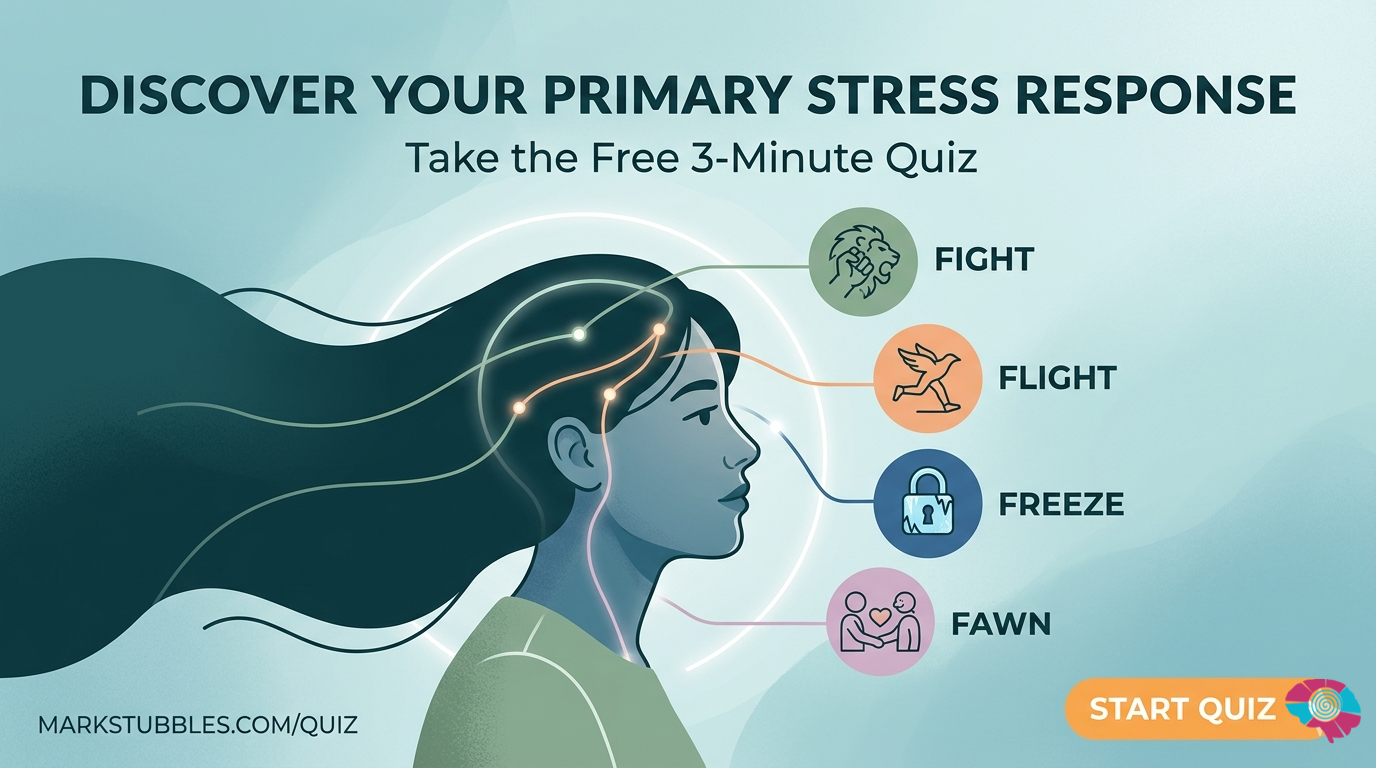
3. How does the fight or flight response cause facial flushing? The fight or flight response is your body’s survival mechanism activation during perceived danger. When your sympathetic nervous system fires up, adrenaline floods your system, increasing your heart rate and dilating the blood vessels in your cheeks, neck, and chest. This physical redirection of blood prepares your body for action while producing a visible, hot flush.
4. Can past childhood experiences or trauma trigger erythrophobia? Growing up in critical environments or experiencing early social embarrassment often instills a deep-seated shame and hypervigilance in your body. Children internalize negative feedback from adults, forming an active inner critic that anticipates judgment and triggers physical responses like blushing during adult social interactions. Read my story of overcoming erythrophobia to see how early experiences shape this pattern.
5. Why does eye contact trigger involuntary blushing in social settings? Eye contact signals intense mutual attention, which can make a hypervigilant person feel exposed or heavily scrutinized. If you equate being seen with judgment or shame, making eye contact triggers an immediate adrenaline release, causing rapid facial redness and a powerful urge to look away.
6. What is the difference between occasional blushing and erythrophobia? Occasional blushing is a brief, natural physiological reaction to mild embarrassment or sudden temperature shifts. Erythrophobia is a chronic, debilitating fear of blushing that drives behavioral avoidance, anticipatory anxiety, and severe social distress that interferes with daily life and career opportunities.
7. How does anticipatory anxiety increase the likelihood of blushing? Anticipatory anxiety primes your nervous system hours or even days before a social event. Preemptively worrying about blushing raises your baseline stress levels and dilates your blood vessels, ensuring that even minor social stimulation causes a full flushing episode when the event actually occurs.
8. Why do I blush when I am not actually feeling embarrassed? Blushing often becomes a conditioned physical reaction that runs completely independent of your conscious emotion. If your subconscious nervous system links social presence, spotlight moments, or authority figures with a potential threat, it automatically triggers facial vasodilation regardless of whether you feel consciously calm or embarrassed.
9. How does toxic shame contribute to chronic facial flushing? Toxic shame is the core belief that you are inherently flawed or inadequate. This internal state keeps your nervous system on high alert for external rejection, making you hyper-reactive to social exposure and accelerating the physical blushing response. Personalized hypnotherapy to stop blushing can address these root patterns directly.
10. Can social anxiety exist without erythrophobia? Yes, social anxiety can manifest through symptoms like sweating, trembling, or mental fog without severe flushing. However, when social fear concentrates primarily on the visibility of facial redness, it develops into erythrophobia, creating a specific focus on physical temperature and appearance.
Part 2: Breaking the Psychological Cycle & Self-Talk
11. How can I stop the vicious cycle of blushing and anxiety? You can break the cycle by interrupting the automatic connection between physical heat and negative self-talk. Recognizing that flushing is a harmless physical sensation rather than a personal failure prevents the secondary surge of panic that intensifies the blush and prolongs the episode.
12. What is the Pavlovian connection to chronic facial flushing? The Pavlovian connection occurs when neutral situations, like standing in a meeting or making introductions, become paired with past embarrassing blushing episodes. Over time, entering those specific environments automatically triggers facial redness as a conditioned physical reflex, much like a classical conditioned response.
13. How does post hoc ergo propter hoc thinking worsen erythrophobia? This logical fallacy causes you to assume that because blushing occurred after a specific event, the event directly caused it. Misattributing blushing to simple actions, like making eye contact, generates unnecessary fear around normal social behaviors and increases overall hypervigilance.
14. How can I quiet my inner critic when my face feels hot? Quiet your inner critic by replacing harsh self-judgment with neutral, objective self-talk. Instead of thinking you look foolish, acknowledge the sensation as harmless circulation changes, which prevents emotional escalation and keeps your nervous system from sending additional adrenaline.
15. Why does trying to hide your blush make it get worse? Suppressing or hiding a blush signals to your brain that you are in active danger. This increased panic drives another surge of adrenaline, widening blood vessels further and intensifying the redness rather than allowing the physical reaction to dissipate naturally.
16. What is the Red Maple metaphor for overcoming blushing? The Red Maple metaphor teaches that trying to fight or conceal natural flushing creates unnecessary suffering. Just as a red maple tree displays its color without shame, accepting facial redness removes the social anxiety that keeps the physical response active and overwhelming.
17. How can cognitive reframing reduce the fear of being judged? Cognitive reframing systematically challenges catastrophic assumptions about how others view your blushing. By evaluating evidence objectively, you realize that most people rarely judge facial redness as harshly as you anticipate, significantly reducing social pressure and emotional distress.
18. Why do negative thoughts act as a self-fulfilling prophecy for blushing? Negative thoughts like believing you will look weak cause immediate psychological stress. This stress activates your body’s physiological threat response, raising your heart rate and dilating facial capillaries to produce the exact blushing outcome you originally feared.
19. How can visualization help prevent blushing in future social events? Visualizing yourself remaining calm, confident, and accepting during social interactions creates positive neural pathways. Mental rehearsal lowers autonomic nervous system arousal, training your body to stay relaxed when facing real world social triggers and high pressure moments.
20. How do I separate my personal identity from my blushing response? Separate identity from bodily responses by recognizing that blushing is merely an involuntary physiological reflex, not a reflection of your character, intelligence, or worth. Neutralizing the stigma breaks the cycle of shame and restores internal self-esteem.
Practical Tools & Physical Techniques
21. How can Emotional Freedom Technique help stop blushing fast? Emotional Freedom Technique balances the nervous system by combining light finger tapping on specific meridian points with target statements about blushing. Tapping calms the amygdala, reducing the fight or flight response and lowering facial heat during moments of heightened stress.
22. What is the Karate Chop Point in EFT for blushing relief? The Karate Chop Point, located on the outer edge of the hand, is used during the setup phase of Emotional Freedom Technique. Tapping this point while reciting an acceptance phrase neutralizes psychological reversal and readies the system for emotional release.
23. How do I use EFT tapping before a public presentation? Perform a discreet tapping sequence on main meridian points like the collarbone or eyebrow five minutes before presenting. Focus your statements on releasing performance anxiety and physical heat to ground your body. Learn how to rewire your subconscious mind and nervous system for public speaking anxiety.
24. What is a SUD score and how does it measure blushing anxiety? A Subjective Units of Distress score measures your anxiety on a scale from 1 to 10 before and after applying grounding techniques. Tracking this score helps verify that body-based tools like EFT are successfully reducing your emotional distress over time.
25. Can breathing exercises prevent facial redness during stressful moments? Deep abdominal breathing activates the parasympathetic nervous system, slowing heart rate and counteracting adrenaline spikes. By extending your exhalations, you signal safety to the body, relaxing blood vessel walls and minimizing the intensity of facial flushing.
26. How can I do EFT tapping discreetly in a public or work setting? You can practice discreet tapping by gently pressing the sides of your fingernails or massaging the collarbone point under your clothes. Alternatively, taking a brief bathroom break allows for a full 2 minute tapping sequence to restore calm.
27. What role does muscle relaxation play in controlling blushing? Progressive muscle relaxation reduces overall physical tension, lowering baseline sympathetic nervous system activity. By deliberately relaxing the shoulders, neck, and jaw, you prevent the vascular constriction and sudden surges that cause rapid facial flushing.
28. How does grounding help interrupt a sudden blush in public? Grounding techniques redirect attention away from internal panic and hyper-awareness toward external sensory input. Re-anchoring your focus on physical surroundings stops the threat feedback loop and helps facial temperature normalize naturally.
29. Can self-hypnosis uncondition subconscious blushing triggers? Self-hypnosis bypasses critical conscious thinking to deliver calming suggestions directly to the subconscious mind. This rewires automatic associations between social triggers and physical blushing responses over time, restoring natural physical control.
30. How long does it take for EFT tapping to reduce blushing symptoms? Many people experience a notable reduction in acute anxiety within 3 to 5 minutes of focused tapping. Long term unconditioning of chronic blushing triggers typically requires consistent daily practice over several weeks to build new neural habits.
Social, Professional, & Lifestyle Strategies
31. How can I stop blushing during workplace performance reviews? Prepare by practicing grounding breathwork beforehand and focusing on objective facts rather than internal physical sensations during the review. Accepting potential flushing without panic prevents adrenaline spikes from escalating the redness in front of management.
32. What is the best way to handle someone pointing out your blushing? Acknowledge the observation casually with a simple statement like, “My face just gets warm sometimes,” and immediately continue the conversation. Neutralizing the moment removes power from the trigger and halts the shame spiral instantly.
33. How does erythrophobia impact career advancement and job interviews? Erythrophobia often leads people to avoid promotions, public speaking, or high visibility projects to escape potential blushing. Overcoming this fear restores professional confidence, allowing you to showcase your true capabilities without physical anxiety holding you back.
34. Why does blushing affect personal relationships and dating confidence? The fear of blushing creates hyper-self-consciousness, making it difficult to relax, form authentic connections, or maintain eye contact. Overcoming erythrophobia allows you to participate in social interactions comfortably, fostering genuine emotional intimacy.
35. How can lifestyle changes help lower baseline physical flushing? Reducing caffeine, managing general stress, getting adequate sleep, and avoiding sudden temperature extremes reduce baseline cardiovascular reactivity. Lowering overall body strain makes the sympathetic nervous system less prone to sudden blushing spikes.
36. How can I speak up in meetings without the fear of blushing? Shift your focus entirely onto the value of your message rather than your physical appearance. Re-anchoring attention outward disrupts self-monitoring, helping your body stay calm. Learn how to reset your nervous system for public speaking when under pressure.
37. Why does avoiding social situations make erythrophobia worse over time? Avoidance provides temporary relief but reinforces the subconscious belief that social situations are dangerous. This isolation increases vulnerability, making the nervous system even more reactive during future social exposure when interactions are unavoidable.
38. How can mindfulness reduce hyper-awareness of facial temperature? Mindfulness teaches non-judgmental observation of bodily sensations. Observing facial heat without reacting emotionally prevents panic, allowing the sensation to pass naturally without developing into a full blushing episode.
39. Can shifting focus outward stop you from blushing in conversations? Yes, focusing externally on the speaker’s words, environment, or surrounding details takes attention away from internal physical monitoring. Depriving the panic loop of conscious focus allows blood pressure and facial skin temperature to stabilize rapidly.
40. Where can I find a complete guide to overcoming the fear of blushing? You can find a complete, step by step guide to overcoming erythrophobia in the book Beyond Blushing. It offers comprehensive psychological frameworks and physical techniques to help you live free from the fear of blushing.





Leave a Reply