Trauma Informed Inner Child Healing: Overcoming Early Conditioning and Building Unconscious Safety
Feedback from My Inner Child Program
- “Mark is very focused and personal… I found much benefit from doing the program and I would recommend it to others.”
- “The questions and tasks in the homework was where the hard part was as it was forcing you to do the work… It made you work through all that nasty, festering memories…”
- “What I liked most about the program is the systematic way it takes you through all the phases of your life…”
- “I have just finished this course with Mark… and it was really good and the exercises were really powerful… I feel confident and positive!”
- “Mark is so easy going… I felt he is a friend as well as a therapist… It was very detailed and the homework was really interesting…”
- “It’s an opportunity to heal old wounds and then move forward to a better future… I’ll always take care of myself now.”
- “I would say it’s a must to go on this course with Mark as you don’t know how damaging your childhood is until you really look inside…”
- “Loved Mark’s dedication to his clients. Well thought out material. Techniques such as NLP, tapping, hypnosis, journaling, and self-confidence tasks to help inner child.”
Active Reparenting Through Hypnotherapy
In our work together, we use a grounded, safe process to reparent the younger self. This involves identifying the specific emotional needs that went unmet during your formative years and using the deeper unconscious mind to provide that security today. By updating these old imprints, the wounded parts of you no longer need to stay on high alert, allowing your nervous system to finally settle into a state of genuine peace.
This is not passive reflection. It is an active process of healing toxic shame, the kind that was never yours to carry in the first place. Toxic shame often develops when a child internalizes the message that they are fundamentally flawed rather than understanding that specific behaviors needed adjustment. Through our reparenting work, we address this at its source, replacing those false beliefs with the compassion and acceptance that should have been there from the beginning to establish profound unconscious safety.
The Invisible Thread of Early Conditioning
Many people spend their adult lives running from a shadow they cannot quite see. They struggle in their careers, find themselves trapped in repetitive relationship loops, and carry a constant background hum of worry that has been active for so long they have forgotten what genuine peace feels like. We spend our energy trying to fix the external circumstances of our lives, changing partners, quitting jobs, or moving to new cities, but we rarely examine what is running in our subconscious. True emotional freedom is not about rearranging the scenery of your life; it is about going below the surface to understand the early environment where your survival map was first written.
I know the suffocating weight of this early conditioning because I lived inside it for decades. I grew up in a narcissistic family system where my boundaries were constantly eroded, and I was treated as the unwanted black sheep at home. Yet, in a bizarre and confusing twist, my grandparents’ house became my sanctuary, where my grandmother showered me with gifts and treated me as her enmeshed golden child. To the outside world, this looked like pure love, but it was actually a covert web of emotional enmeshment. My grandmother used me as an emotional crutch to meet her own unfulfilled needs. I was quietly taught that my role was to keep her happy, to be her protector, and that any attempt to assert my own independence was a betrayal of her love.
This is the ultimate mind-bender for a child. You learn that to be loved, you must completely surrender your boundaries. You learn to equate enmeshment with safety, and independence with guilt. As an adult, this early training manifests as an inability to say no, porous boundaries, and a vicious inner critic that constantly monitors your face, your words, and your behavior. Your subconscious learned that being seen as an independent person was highly dangerous, and that safety lay in remaining invisible. To heal, we must stop blaming our parents, who were simply parenting the only way they knew how, passing down a generational script they inherited from their own childhoods. Instead, we must take ownership of our lives and begin the safe, gentle process of reparenting the younger self.
What is Inner Child Hypnotherapy?
Inner child hypnotherapy is an evidence-informed therapeutic approach designed to resolve deep-seated emotional patterns and early conditioning at their biological root. Instead of attempting to rationalize your worries using logical, conscious arguments, hypnotherapy focuses on establishing a profound experience of safety within your nervous system. By bypassing the critical analytical barriers of the conscious mind, we can communicate directly with the unconscious networks and pathways where your earliest emotional responses and threat-detection baselines are stored. Resolving early emotional wounds requires accessing the unconscious directly where these habits live.
This direct communication is possible because of how the brain develops. From birth until around the age of seven, a child’s brain operates predominantly in relaxed alpha and highly receptive theta brainwave frequencies. This twilight state is a hyper-learning frequency designed for deep, rapid absorption of speech, movement, and environmental cues. During this formative imprint period, a child does not analyze their surroundings; they swallow their family dynamics whole, writing their fundamental rules of safety and worth directly into their unconscious foundation. Your unconscious system held these rules as absolute truths, which is why hypnotherapy gently recreates access to this exact same theta state in adulthood, allowing us to safely update those unconscious maps.
Signs You Have Unresolved Inner Child Conditioning
Unresolved childhood conditioning does not remain in the past. It travels forward into adulthood, secretly shaping your self-image and dictating your interactions. When a child’s early emotional needs for safety, protection, and secure validation are left unmet, they adapt through survival strategies that overdevelop their trauma responses. These patterns manifest as several recognizable everyday behaviors, all running at a deep subconscious level:
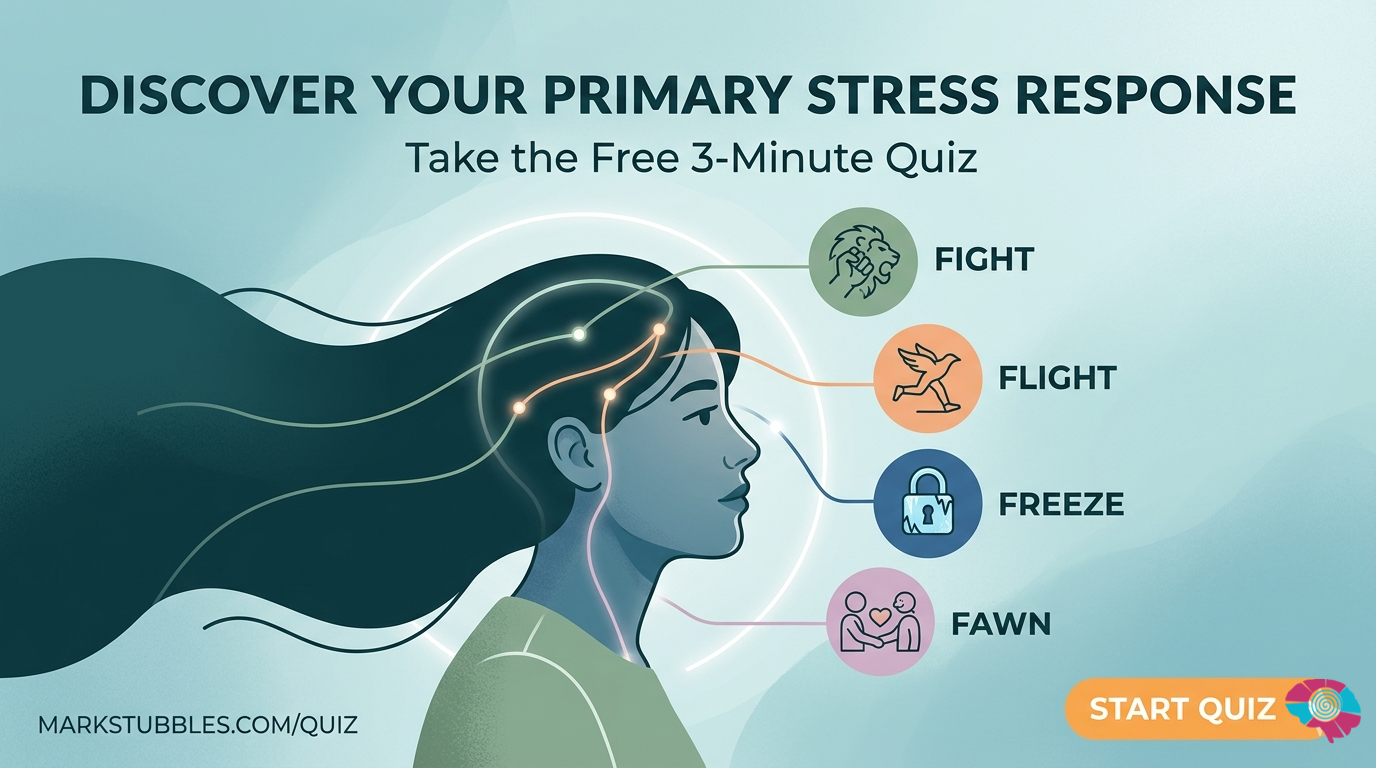
- The Fawn Response: A social submission strategy where you reflexively prioritize others’ needs, walk on eggshells to manage the emotional atmosphere, and find yourself physically unable to say no. This response makes you highly vulnerable to codependency, turning you into a doormat in your relationships to buy a temporary sense of connection.
- Conditional Family Roles: Survival strategies where you take on a rigid identity within your family system. You might operate as the People Pleaser (constantly rescuing others), the Perfectionist (driving yourself relentlessly to feel worthy), or the Black Sheep (acting out or disappearing because performing a false self felt exhausting).
- Attractions of Deprivation: The magnetic, highly addictive pull toward critical, emotionally unavailable, or volatile partners. Because your early family environment taught your system to connect chaos with safety, your attention filter actively discards calm, stable partners as boring, repeatedly steering your elephant back to the same dangerous woods.
- Karpman’s Drama Triangle: A subconscious cycle where you rotate between the roles of Rescuer, Victim, and Persecutor. In relationships, this manifests as silent, unwritten emotional contracts where you take on excessive responsibility for managing your partner’s moods, sacrificing your own boundaries to keep the peace, locked in a subconscious struggle.
- The Hijacked Superego: An intense, cruel inner voice (the inner critic) that monitors your performance with relentless scrutiny. This voice is an introject, a program you swallowed whole from critical caretakers during childhood, which continues to attack your self-worth and trigger intense, toxic shame.
To help you identify how your nervous system is secretly running the show, you can take my brief, three-minute self-assessment at Primary Stress Response Profile, or locate your stable inner reference point with the Core Values Identifier Quiz. Unresolved conditioning also acts as a primary trigger for intense physical panic. When early experiences teach your mind that being visible is dangerous, your system can trigger automatic social panic. You can explore how these early triggers install the physical reflexes of social anxiety, shaking, and burning cheeks on my Stop Blushing page.
A Quick Guide to Your Healing Journey
If you are feeling anxious, overwhelmed, or simply want to understand how we work before reading the deep details below, here is what you need to know:
- Your safety is the priority: We always work completely at your pace. You will never be forced to relive painful childhood memories or confront past trauma to find emotional release.
- We focus on the subconscious: True calm starts in the body. We gently quiet your active mind to soothe daily overthinking, sudden anxiety, and self-doubt at their root.
- A gentle partnership: As a trauma-informed hypnotherapist, I help you bring safety and comfort to those younger parts of yourself so you can feel secure, grounded, and confident today.
Meeting Unmet Emotional Needs
A Bradshaw-Inspired Approach to Reparenting
In our work together, we draw on the work of Bradshaw to explore how unmet childhood needs continue to influence your adult life. This gentle process of reparenting is not about changing your past; instead, it is about transforming how you relate to yourself in the present. Many people carry a heavy burden of sudden panic, anxiety, or deep-seated self-doubt because their early emotional needs for safety, validation, and boundary-setting were left unmet. As a trauma-informed hypnotherapist, I guide you to step into the role of a supportive, loving guardian for your own inner child. In this safe subconscious space, we can gently offer that younger part of you the secure validation, protection, and comfort it has been waiting for. By meeting these unmet needs, we allow you to resolve long-held emotional blocks and step into a more grounded, confident daily life.
The Difference Between Knowing and Resolving
You may have read the books and understood the theory, but understanding is a top-down cognitive process. Reparenting is a bottom-up emotional update. It is one thing to know you were neglected; it is another to give that younger part of you the experience of being cherished.
Replacing Toxic Shame with Internal Security
Through this reparenting process, I do not just talk about the past. I actively provide the younger self with the resources it was denied. This process involves:
- Validation: Giving that younger part of you the voice it was denied.
- Protection: Creating a mental space where the child feels safe from the hijacked superego or inner critic.
- Compassion: Dissolving the imprints of shame and replacing them with a grounded sense of worth.
- Unconditional Love: Accepting yourself fully without judgment.
As these unmet needs are fulfilled, the chronic anxiety of your younger self begins to transform. The survivor identity begins to soften into the calm of the thriving adult.
When Conditional Love Creates Family Roles
Most children do not grow up in households with obvious abuse or neglect. Many grow up in families where love and acceptance were present, but conditional, available when certain standards were met, withdrawn when they were not. This is common enough to be almost invisible, but the impact on the developing nervous system is significant.
When a child only experiences conditional love, they learn quickly what they need to do to feel acceptable. Over time, this shapes them into a role. Some become people pleasers, constantly managing the emotional atmosphere around them, unable to say no, alert to the slightest shift in a parent’s mood. Others become perfectionists, driving themselves relentlessly because ordinary effort never felt quite enough. Others step into the role of the black sheep, the one who acts out, rebels, or disappears, because being the problem felt more honest than performing a false self.
These roles are not personality traits. They are survival strategies, built in childhood and carried, largely unchanged, into adult life. The people pleaser becomes the adult who cannot set boundaries. The perfectionist becomes the adult who is never quite satisfied. The black sheep becomes the adult who sabotages relationships before they can be taken away. Inner child healing involves recognising which role you took on, understanding why it made sense at the time, and gradually releasing the need to keep playing it. When the younger part of you no longer needs the role to feel safe, the adult self is free to respond to the present rather than reenacting the past.
Guided Inner Child Hypnosis
Understanding these survival roles intellectually is a helpful first step, but updating them requires reaching the deeper mind where those patterns were first stored. If you catch yourself going quiet, swallowing your words, or feeling a surge of tension when attention turns toward you, listen to this 28-minute guided session. It is designed to help your nervous system realize that the room you are in today is safe, so you can gently step out of childhood protection habits at your own pace.
Fear of Abandonment and Its Patterns in Adult Life
When parents neglect, abuse, or use a child to meet their own emotional needs, they are, in the deepest sense, abandoning that child, not necessarily physically, but emotionally. The child who grows up without reliable, attuned caregiving does not conclude that their parents were failing them. Children cannot afford that conclusion. Instead, they internalise the experience and draw a different one: that they are the problem, that they are unworthy of consistent care, that people will leave. This belief does not stay in childhood. It travels forward into every significant relationship. As an adult, fear of abandonment might show up as people pleasing so intense that your own needs become invisible. It might look like jealousy, controlling behaviour, or an inability to trust a partner’s reassurances no matter how often they are offered. It might show up as discomfort with genuine intimacy, a tendency to withdraw just as a relationship deepens, or a persistent sense of being an outsider even in rooms full of people who care about you.
Fear of abandonment can also make it difficult to receive. Compliments feel suspect. Praise creates discomfort. Care from others triggers a waiting sense that it will be taken away. Reparenting addresses this at its root. When the younger part of you has the experience, even within the hypnotic state, of being consistently held, seen, and not abandoned, the nervous system begins to update its predictions about relationships. The vigilance starts to ease. It becomes possible, gradually, to believe that care might simply be care, and that it does not have to be earned or braced against.
Why Talk Therapy Alone Struggles to Heal Early Conditioning
Many individuals spend months or even years in traditional talk therapy, analyzing their past, documenting their cognitive thoughts, and discussing their family history. While understanding your childhood is valuable, this top-down rational approach rarely resolves your daily anxiety or physical tension. This occurs because understanding a problem and resolving it are two completely different neurological events. Your conscious, logical mind only operates about five to ten percent of your total behavior. The remaining ninety to ninety-five percent is managed below the surface by your unconscious mind and the autonomic nervous system. The unconscious mind acts as your primary survival guide, running automated physical loops that logic cannot reach.
When you grow up in a high-stress, critical, or unpredictable home, your brain’s threat-detection system is physically sculpted to prioritize survival over logic. Landmark neuroimaging research conducted by Dr. Martin Teicher at Harvard Medical School, published in the Journal of Child Psychology and Psychiatry, confirms that early childhood stress initiates a physiological cascade that physically alters brain development. Teicher’s work demonstrates that childhood maltreatment and psychological abuse are associated with reduced volume in the prefrontal cortex and left hippocampus, alongside an overactive, hyper-responsive amygdala. This means your brain stem and nervous system are physically wired to scan for danger, keeping your sympathetic threat response continuously active. Over time, this sympathetic dominance becomes your body’s default setting, making it physically impossible to drop into deep, restorative recovery.
You cannot logically negotiate with a subcortical physical reflex. Handing an analytical, anxious person a cognitive worksheet during a panic loop is like writing a polite letter to an engine, explaining that it should stop making a knocking sound. To break the cycle, you need a bottom-up approach that communicates directly with the unconscious mind. We communicate directly with the unconscious to repattern the survival alarm at its neurobiological root. Through a neurobiological process known as memory reconsolidation, we recall early stressful memories from a state of complete physical safety during hypnosis. This mismatch signals to your nervous system that the danger is in the past, stripping away the old emotional sting and archiving those memories as past history rather than active alerts.
Shrinking the Inner Critic
Pete Walker’s work on complex PTSD highlights how the inner critic acts as a misguided protector. However, in my work, I recognize that the critic is actually a hijacked superego. This voice is an introject that you swallowed whole during your formative years. It is usually the voice of a critical parent, teacher, or caregiver that you internalized because you were looking to authority figures to help you understand the world and yourself. While Walker suggests the critic is a part of you trying to keep you safe, the reality is that it is an internalized abuser. It is a foreign program running on your internal hard drive. It is not your voice, and it is not your identity.
What Happens When an Insecurity Gets Triggered
The inner critic does not operate in the abstract. It activates in response to specific triggers: a look, a tone of voice, a social situation that resembles something from the past. When an old insecurity is activated, what follows is a recognisable chain. The nervous system moves toward fight or flight. Avoidance often kicks in, sometimes immediately, sometimes more gradually, in the form of cancelling plans, backing away from opportunities, or keeping a safe distance from people and situations that feel risky. Emotional dysregulation follows – a disproportionate intensity of feeling that can be difficult to explain and harder to manage. Then comes the rumination. The mind replays the triggering event repeatedly, searching for where things went wrong, what could have been done differently, what the other person must think. And running alongside all of this, the inner critic: a voice that names, judges, and diminishes. You are useless. You always do this. You will never change.
This pattern (trigger, avoidance, dysregulation, rumination, self-criticism) makes it difficult to form healthy relationships or maintain consistent boundaries. It is not a character flaw. It is a conditioned response to experiences that trained the nervous system to expect threat in situations where others would feel safe. Inner child healing works with this pattern at the level where it was installed. Rather than trying to argue with the critic or suppress the emotional response, we work to update the original learning that set the pattern running in the first place.
From Combat to Resolution
Many traditional approaches suggest fighting or arguing with the inner critic. I find this counterproductive because you cannot win a war against an introject using the same logic that installed it. Through my reparenting methods, I do not fight. I acknowledge that you once needed to internalize that voice to navigate an abusive or neglectful environment, and then I help you update its role. As you experience genuine safety and compassion in the hypnotic state, the introject naturally loses its power. It shrinks because you either release the toxic shame related to it or it no longer has a function. This is not about willpower. It is about the gentle rewiring that happens when your deeper mind finally experiences what true internal security feels like.
Calming an Overactive Amygdala Caused by Childhood Conditioning
For those living with complex PTSD, the nervous system often exists in a state of hypervigilance. While some refer to the resulting overwhelm as emotional flashbacks, the biological reality is that childhood trauma can cause the amygdala, the brain’s alarm system, to grow and become hyper-responsive. This means your brain is physically wired to detect threats, leading to intense emotional waves triggered by situations that bear even the slightest resemblance to the past. Learning to self-soothe is not about just managing a memory. It is about regulating a physically overactive alarm system. In my sessions, I help you develop personalized self-soothing techniques that are anchored in your deeper mind through hypnotherapy. Because these techniques are anchored hypnotically, they become accessible even when you are activated or distressed. You will learn to recognize the difference between past danger and present safety, giving your nervous system permission to relax. By training the brain to settle, you effectively down-regulate the amygdala. This process becomes a resource you carry with you, available whenever you need to bring yourself back to center. To understand how these physical reactions are held in the body, you can read my guide on how the brain stores trauma.
The Link Between Unresolved Childhood Trauma, Anxiety, and Isolation
People who carry unresolved childhood anxiety rarely experience it in isolation. Anxiety is exhausting, and one of the most common responses to that exhaustion is to withdraw. Social situations feel like too much. The risk of being triggered, judged, or having to perform felt okayness when you feel anything but, becomes too high. And so the world gradually gets smaller. The problem is that human beings need connection. We need social contact, a sense of purpose, and people we can trust, not as luxuries, but as genuine psychological requirements. When chronic anxiety drives withdrawal, those needs go unmet. The result, frequently, is depression layering on top of the anxiety: a sense of emptiness, hopelessness, or flatness that sits beneath the anxious activation. This is what happens when a nervous system conditioned in childhood to expect danger tries to keep a person safe, and in doing so, cuts them off from the very things that would help them heal. Inner child healing addresses this not by pushing someone back into overwhelming social situations, but by working on the underlying threat response that makes connection feel dangerous. As the nervous system begins to settle, the pull toward isolation tends to loosen alongside it. If you frequently experience sudden panic that leaves you feeling trapped, explore my guide on coping with nervous system hijacking.
What You Can Experience through Inner Child Healing
Rather than navigating a dense, clinical checklist, our sessions focus on key milestones that naturally unfold as you build safety within yourself. Here is what we gently focus on:
- Connecting with your inner child: Establishing a safe, compassionate relationship with the younger parts of yourself that still hold anxiety.
- Improving your self-esteem: Cultivating a deep, unconditional sense of self-worth that does not depend on external validation.
- Releasing limiting beliefs: Gently dissolving the quiet, subconscious narratives that tell you you are not enough or that you are unsafe.
- Soothening toxic shame: Moving past the heavy, persistent feeling that something is fundamentally wrong with you.
- Calming the inner critic: Softening the harsh, critical internal voice and replacing it with a quiet, supportive inner guide.
- Regulating your nervous system: Sparing your body from sudden panic or hypervigilance by establishing subconscious feelings of safety.
- Restoring healthy boundaries: Finding the confidence to set supportive physical and emotional boundaries with comfort and ease.
- Resolving emotional blocks: Unlocking stagnant feelings of grief, anger, or fear without the need to relive the events that caused them.
- Nurturing self-compassion: Developing a gentle, patient relationship with yourself as you heal at your own pace.
- Reclaiming playfulness and joy: Reconnecting with your natural sense of wonder, creativity, and lightheartedness.
How Inner Child Hypnosis Accesses Deep Unconscious Safety
Many people find that while traditional talk therapy helps them understand their emotional patterns intellectually, their body and nervous system still react with sudden anxiety or distress. This occurs because our oldest protective behaviors and emotional habits are held deep within the unconscious mind. During a gentle inner child hypnosis session, we guide your active mind into a state of quiet comfort, allowing your nervous system to fully settle. From this peaceful space, we can communicate directly with the unconscious to resolve foundational emotional blocks and ease daily overthinking. Utilizing inner child healing hypnosis in this way allows you to gently reconcile and integrate those younger parts of yourself. This is not about uncovering lost memories or forcing childhood recall; it is about bringing peace to the feelings you carry today so you can experience a secure, grounded sense of self. Schedule Your Free Call Below To Find Out More
How Theta Brainwave States Enable Unconscious Inner Child Healing
Until around age seven, children’s brains operate predominantly in theta brainwave state. This is a state of deep learning, vivid visualization, and heightened receptivity. It’s how we learned to walk, talk, and navigate our world. It’s also when our fundamental reactions and beliefs about safety, worth, and belonging were formed. It is believed hypnotherapy creates access to this same theta state in adulthood. In this focused state of relaxation, we can revisit those formative moments not to relive trauma but to provide what was missing. Your adult self, with all its wisdom and resources, can offer comfort, protection, and validation to the younger part of you that needed it most. This isn’t imagination. It’s neuroplasticity in action, your brain’s remarkable ability to form new neural pathways and update old patterns.
What Happens During an Online Inner Child Hypnosis Session?
Many people approach hypnotherapy with a degree of skepticism, often driven by stage performances and media sensationalism. It is vital to understand that professional hypnotherapy is a serious, cooperative, and deeply respectful process. Hypnosis is not mind control; you remain in complete, wakeful control throughout the entire session and can bring yourself out of the state at any moment. You cannot be made to do or say anything that conflicts with your core values, safety, or personal beliefs. Our online sessions, conducted securely via Google Meet, are designed to move entirely at your own pace. Unlike traditional exposure methods, you will never be forced to deeply relive painful childhood memories or verbally recount traumatic details to find emotional release. We begin by establishing safety anchors and gentle physical resources. By accessing the unconscious directly, we can safely bypass your analytical conscious barriers and provide your younger self with the secure experiences of validation, protection, and comfort they were denied.
For most people, inner child hypnotherapy produces noticeable shifts within the first session. The majority of my clients reach their primary goals within three sessions, though some require more sessions to work through deeper developmental layers, complex trauma, or ingrained patterns. This approach is not open-ended talk therapy; each session has a clear direction, creating durable, unconscious safety that helps your nervous system release its hyper-alert vigilance so your mind and body can finally rest.
A Safe, Structured Approach
This work requires safety and trust. My approach is grounded in established therapeutic frameworks including Human Givens therapy, Pete Walker’s work on C-PTSD, and John Bradshaw’s pioneering insights on toxic shame. We move at your pace, ensuring you always feel in control and supported. Each session builds on the last. We start by establishing resources and safety anchors. Then we gently explore the patterns that no longer serve you. Through targeted hypnotherapy techniques, we update those old imprints, providing your younger self with the experiences of safety, validation, and love that create lasting change.
Breaking Generational Patterns
When you heal your own inner child, you don’t just transform your life. You break cycles that might otherwise continue into the next generation. Parents who have done this work report feeling calmer, more present, and less reactive with their own children. They’re able to respond with compassion rather than repeating patterns from their own upbringing. This is the profound gift of inner child healing. By meeting your unmet emotional needs now, you create space to meet the needs of those around you. By shrinking your inner critic, you model self-compassion for your children. By learning self-soothing for C-PTSD, you demonstrate healthy emotional regulation. The work you do ripples outward, creating healing not just for you but for your entire family system.
Your Journey Starts Here
You don’t have to carry the weight of childhood wounds forever. Through gentle, evidence-based hypnotherapy, we can reparent the younger parts of you that still need care, heal toxic shame at its roots, and help you develop the secure internal foundation you’ve always deserved. Whether you’re struggling with anxiety, relationship difficulties, persistent self-criticism, or the aftereffects of complex trauma, inner child healing offers a path forward. This isn’t about dwelling in the past. It’s about freeing yourself from patterns that no longer serve you so you can fully step into the present. I invite you to schedule a free, no-obligation call above or on the free consultation page. During this conversation, we can discuss your specific experiences, and I can explain in detail how my online hypnotherapy approach can support your healing journey. Let’s explore together how you can start moving toward the life you were born to live.
The Science Behind the Healing
Research consistently shows that hypnotically structured treatment offers significant benefits, particularly for complex trauma. Your nervous system doesn’t distinguish between a vividly imagined experience and a real one when you’re in the deeply focused hypnotic state. This means that the reparenting experiences we create during hypnotherapy have real neurological impact. New neural pathways form. Old patterns lose their grip. The inner critic that once dominated your thoughts begins to quiet as healthier, more compassionate internal voices emerge. This isn’t just theory. Clients report tangible changes: sleeping better, feeling less anxious, responding to triggers with greater calm, experiencing more joy in daily life. These shifts happen because we’re working at the level where the original patterns were formed.
A Compassionate Invitation
If you’ve read this far, something is resonating. Perhaps you’ve tried other approaches and still feel stuck. Maybe you’ve achieved success externally but feel empty inside. Or you might simply be ready to stop carrying burdens that were never yours to begin with. Inner child healing through hypnotherapy offers a gentle, powerful path to transformation. Together, we’ll create the safety your younger self needed, meet the emotional needs that went unfulfilled, and build the secure internal foundation that allows you to truly thrive. You deserve to feel at peace in your own skin. You deserve relationships built on genuine connection rather than old wounds. You deserve to hear a kind voice in your head instead of constant criticism. This work is an investment in yourself, and in everyone whose life you touch. Schedule your free call today, and let’s begin the journey of coming home to yourself.
Schedule Your Free Call Below To Find Out More
Frequently Asked Questions about Inner Child Healing
The journey from being a survivor to thriving involves more than just understanding your past; it requires a physiological shift in how your brain responds to old imprints. In my sessions, I help you bridge the gap between your adult wisdom and your younger self by becoming the good enough parent your inner child needed, which effectively down-regulates the amygdala and dissolves the influence of the hijacked superego.
Is Hypnotherapy Safe for People with Childhood Trauma
Yes, hypnotherapy is safe for people with childhood trauma when conducted by a trained professional who understands trauma-informed care. Unlike some traditional therapies that require you to deeply relive painful memories, hypnotherapy focuses on your current relationship with those ‘inner child’ parts of yourself. My approach ensures you remain in control and ‘grounded’ throughout the process. We work at a pace that feels safe for your nervous system, focusing on processing and releasing the emotional charge of the past rather than just talking about it.
How Many Hypnotherapy Sessions Will I Need?
It depends on the complexity of what you’re working with, and we’ll discuss this before we start. For most people, inner child healing produces noticeable shifts within the first session. The majority of my clients reach their primary goals within three sessions.
That said, some people are carrying layers: developmental wounds from multiple life stages, complex trauma with a strong dissociative component, or patterns so ingrained they’ve been running for four decades. For those clients, more sessions create more thorough and durable change. There’s no pressure to commit to a fixed number upfront. We assess after each session and you stay in control of the pace.
What I can tell you is that this approach is not open-ended talk therapy. We are not processing the same material indefinitely. Each session has a direction: we identify the unmet need, provide the younger self with that experience in the hypnotic state, and anchor the change. When the work is done at that level, it tends to hold.
Can Inner Child Healing Hypnosis Recover Repressed Memories
Inner child healing is not about ‘digging’ for lost memories or uncovering hidden trauma; rather, it is about addressing the emotional imprints and patterns you are experiencing in the present. While the primary goal is to heal feelings like unworthiness or shame, it is common for memories to emerge naturally once the healing process begins. Because your mind cannot tell the difference between a real or imagined event, I recommend looking at these emerging memories with a sense of detachment. We focus on the emotional truth of your experience rather than trying to prove historical facts, allowing your mind to use metaphors and symbols to process and release old feelings safely.
Not Ready to Book a Session? Start Here
- Free Inner Child Content on YouTube: I have recorded free inner child healing hypnosis sessions, you can listen to them in your own time, at home, with no pressure. Many people find it useful as a first step before committing to a full programme. You can find it on my YouTube channel.
- Online Course: If you prefer a structured, self-paced option, my low-cost online course walks you through the same core techniques I use in one-to-one sessions. It is designed for people who want to make real progress between sessions, or who are not yet ready for live work.
- Substack: You can subscribe to my Substack completely free of charge and get weekly updates. By paying a small fee you get access to all my workshop recordings and exclusive inner child healing content.
You don’t need to have your everything ‘figured out’ to book this call.When your threat detection system is on high alert, even reaching out feels like a survival risk. I’ve worked through this myself, and I’ve helped others do the same. This free 15-minute consultation is a zero-pressure, confidential space where you do not have to recount or relive any painful details of your history. We will simply map your current physical blushing triggers, look at your situation, and see if an unconscious-level update is the right path for you.
|